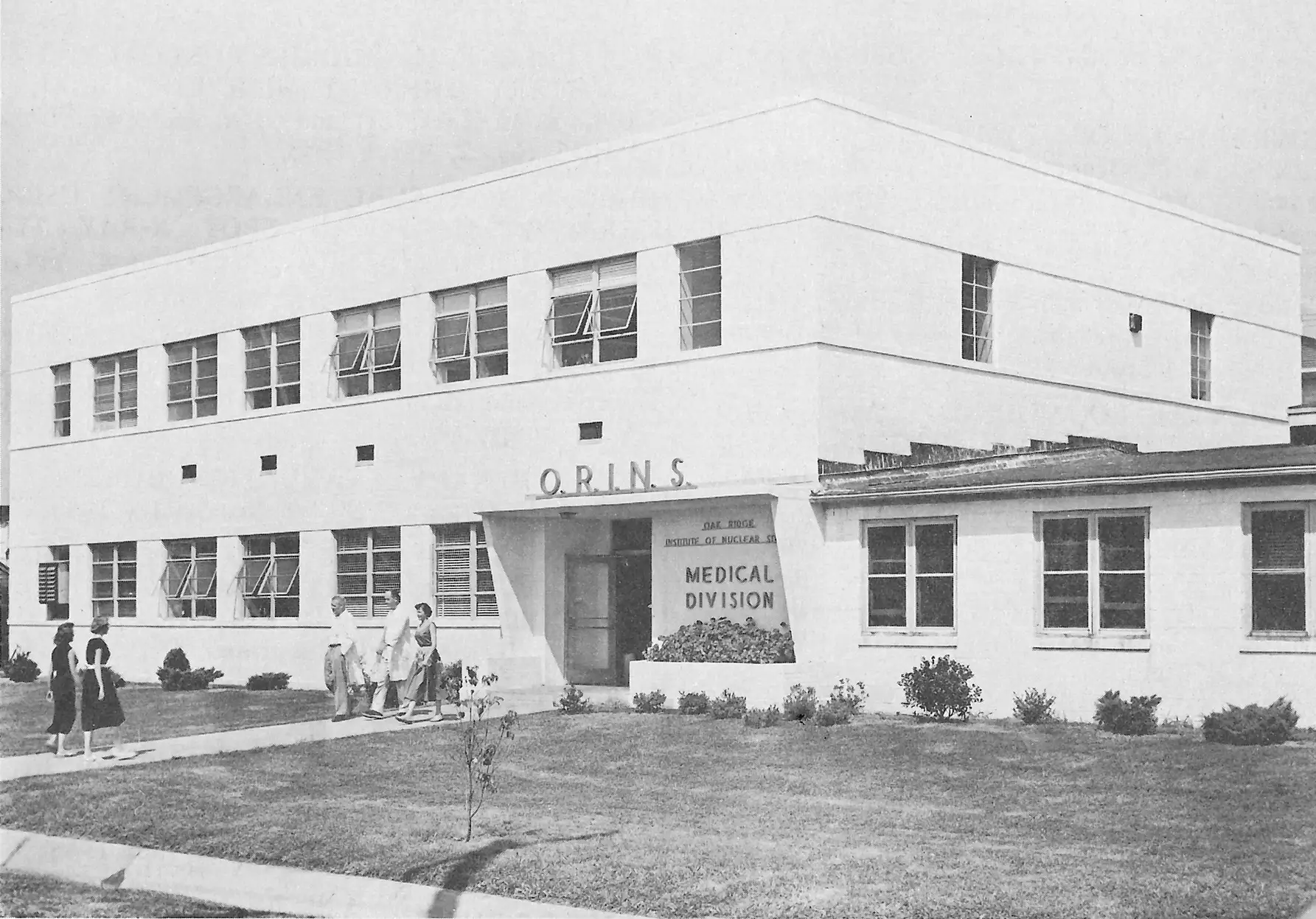
Medical breakthroughs are often driven by institutions willing to innovate and tackle complex challenges. One such institution was the ORINS Medical Division—later the ORAU Medical Division—better known publicly as the Oak Ridge Cancer Research Hospital.
For 24 years, from 1950 to 1974, the hospital treated more than 3,500 patients while advancing research in radiation medicine and cancer therapy. Its work helped shape modern cancer treatment and left a lasting mark on medical science.
Origins and purpose
After World War II, Congress passed The Atomic Energy Act of 1946, creating The Atomic Energy Commission (AEC) to oversee the nation’s nuclear activities. Lawmakers wanted civilian – rather than military – oversight of atomic energy, opening the door for broader scientific initiatives, including peaceful medical applications.
Among its responsibilities, the AEC produced and distributed radioisotopes for medical diagnostics and cancer research. In 1950, it established three national research hospitals: one at the Argonne National Laboratory near Chicago, one at Brookhaven National Laboratory in Upton, New York, and the ORINS Medical Division in Oak Ridge, Tenn.
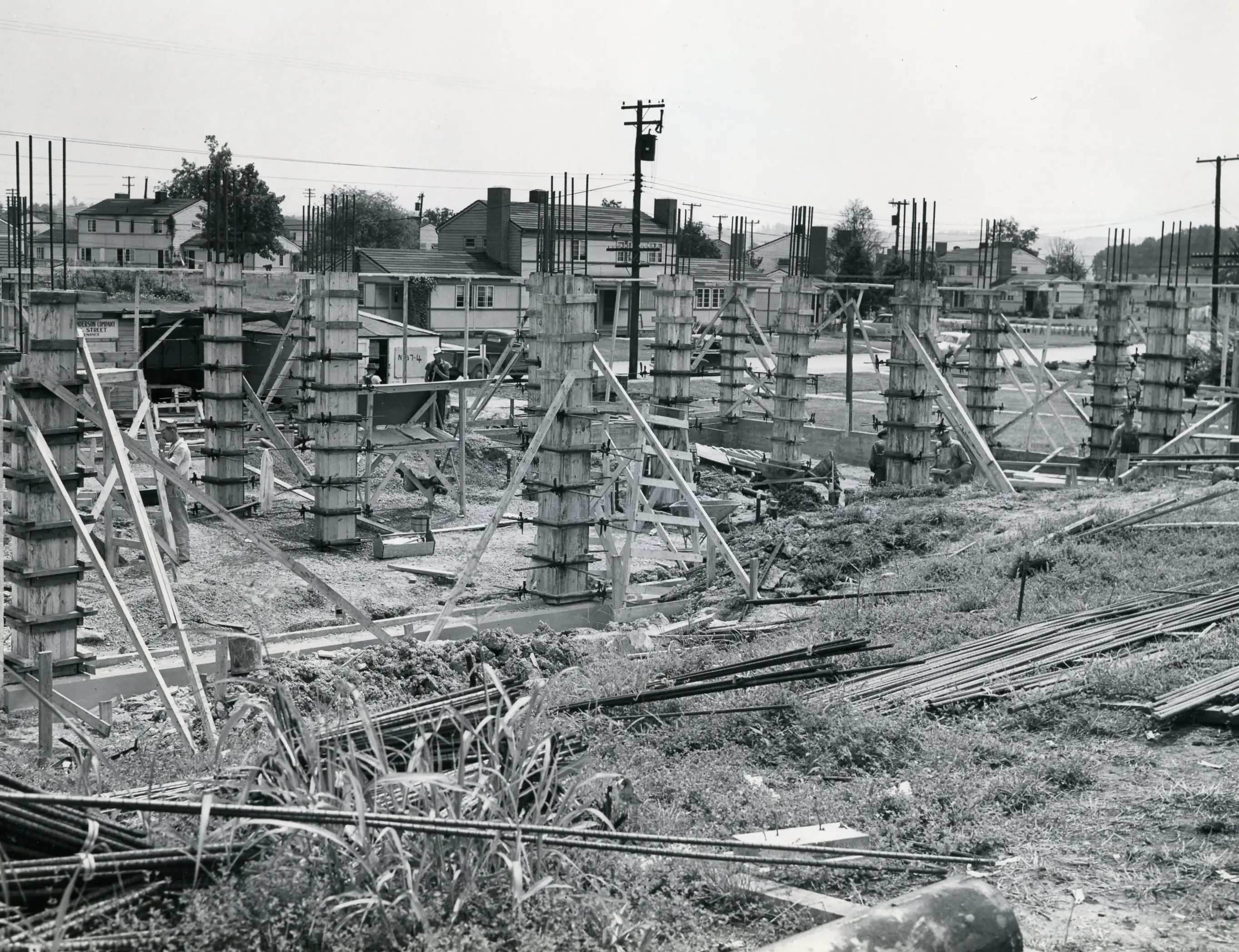
The ORINS Medical Division under construction in the late 1940s. The hospital opened in 1950.
Oak Ridge was already known as a center of scientific innovation; during World War II, the city played a critical role in the Manhattan Project. In the years that followed, Oak Ridge evolved into a hub for research and development across multiple disciplines, including medicine. Read about ORAU’s role in the development of Oak Ridge.
When it was first founded in 1946, ORINS, later renamed ORAU, adopted an organizational structure of three divisions: medical, university relations and special training. This framework uniquely positioned ORINS to address the urgent need for advancements in cancer treatment and research. Read ORAU’s consortium—What’s that?
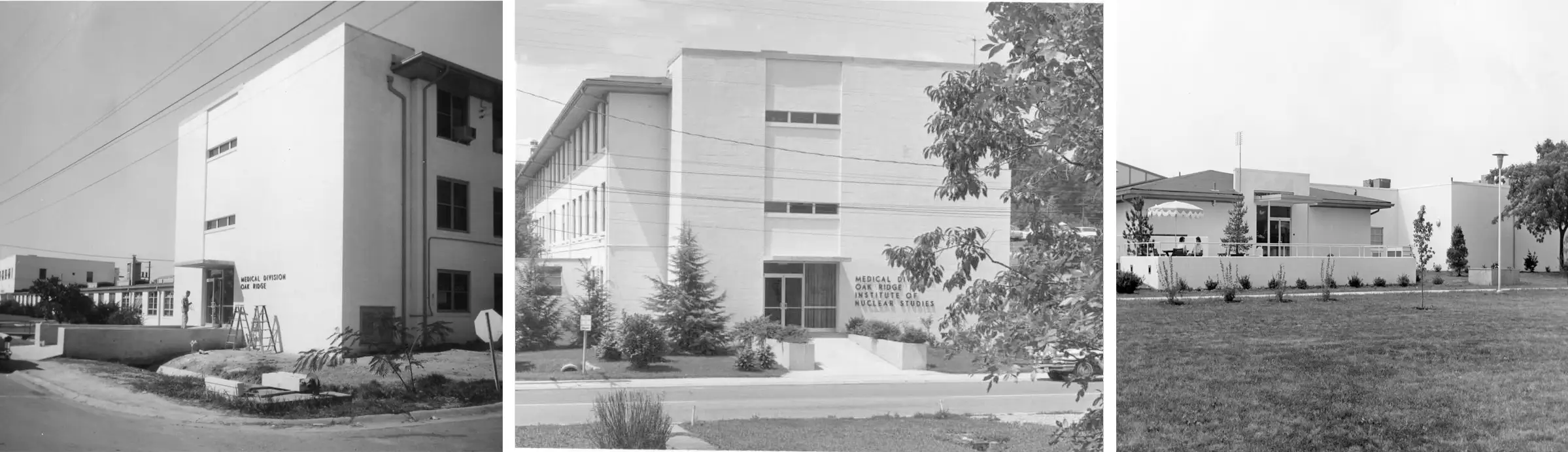
Different vantage points of the ORINS Medical Division. Left to right: from Vance Road, the main entrance, back exterior.
At the time, cancer remained poorly understood, and treatment options were limited. The hospital’s mission was to pioneer research into radiation therapy and other experimental approaches to cancer care. By combining clinical treatment with leading-edge scientific exploration, the institution sought to improve patient outcomes while expanding the world’s understanding of cancer biology.
About the Oak Ridge Cancer Research Hospital
This facility had only 30 beds, and patients were admitted through physician referrals. Because it was part of a national program to address public and scientific interest in using radiation to treat cancer, federal regulations prohibited patients from paying for their care.
Patients also had to meet strict admission criteria. In many cases, they were suffering from diseases for which radioisotope therapies had already shown promise. Treatment plans were reviewed and approved by a medical board that included health physicists. For several of the patients, the Medical Division represented a final opportunity for treatment.
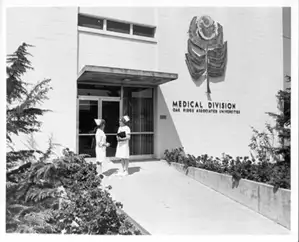
Nurses stand outside the main entrance to the ORAU Medical Division where the Hymn to Life mural greets visitors.
A 1970 article in The Oak Ridger described the facility this way:
“An unimposing L-shaped building site is located in a wooded, inconspicuous setting in East Tennessee. Painted stark white, only the 12-foot ceramic mural entitled ‘Hymn to Life,’ and the words MEDICAL DIVISION, Oak Ridge Associated Universities, hint that it is something special.”
It was.
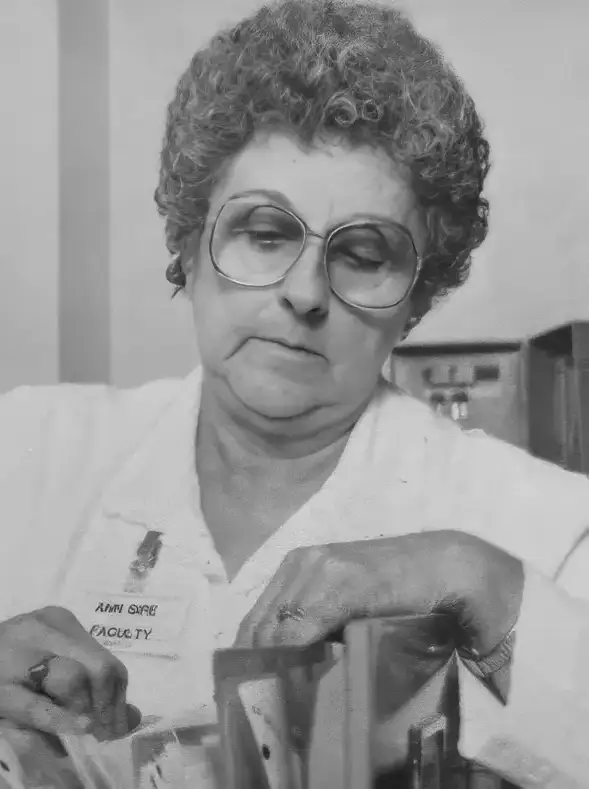
Read stories shared by nurse Ann Sipe about her experience managing the facility.
Beyond the personal stories of hope and compassion, the hospital also became a center for groundbreaking science.
Significance in cancer research
One of the hospital’s defining areas of focus was radiation therapy. Oak Ridge’s expertise in nuclear science provided a unique opportunity to explore how radiation could be used to target and destroy cancer cells while minimizing damage to healthy tissue. Researchers and clinicians worked side by side to refine these approaches, helping lay the foundation for many modern radiation oncology techniques used today.
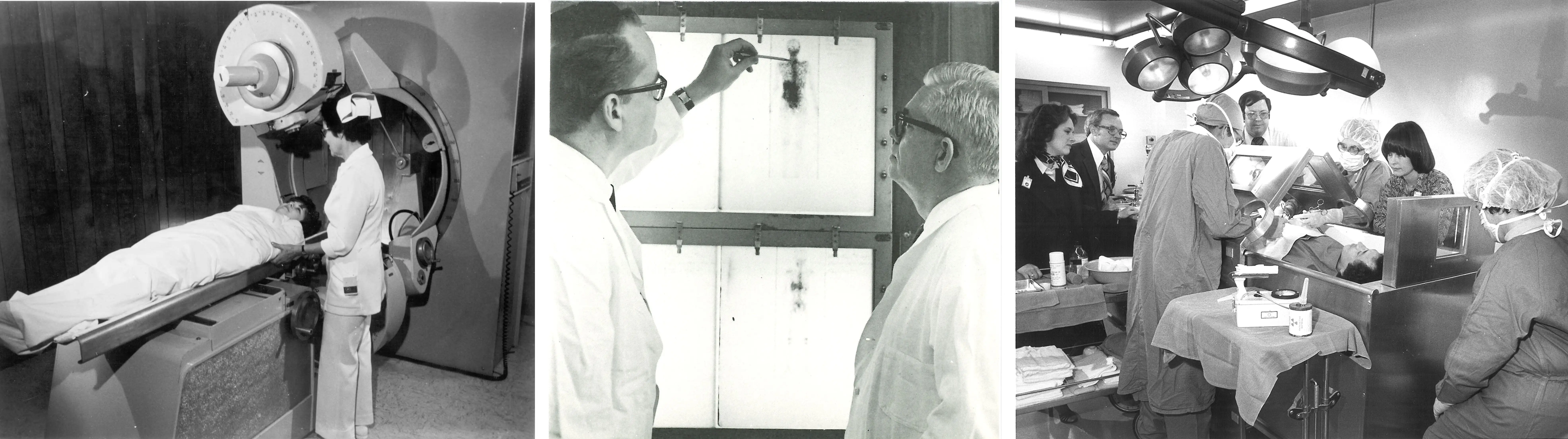
Nuclear medicine pioneers at ORINS Medical Division.
The hospital also became a center for multidisciplinary research. Scientists investigated the molecular and genetic mechanisms behind cancer, contributing to the development of diagnostic tools and treatment strategies that later became standard practice in oncology.
In addition, the Medical Division helped train the next generation of physicians, scientists and researchers – a mission that continues at ORAU today. Learn about our Professional Training Program. By fostering an environment that emphasized both patient care and scientific discovery, the institution helped prepare professionals to meet the growing challenges of cancer treatment.
Collaborative approach
The success of the Oak Ridge Cancer Research Hospital stemmed largely from its collaborative approach. The institution brought together experts in medicine, biology, chemistry, and physics, creating an interdisciplinary model that encouraged innovation and accelerated the pace of discovery.
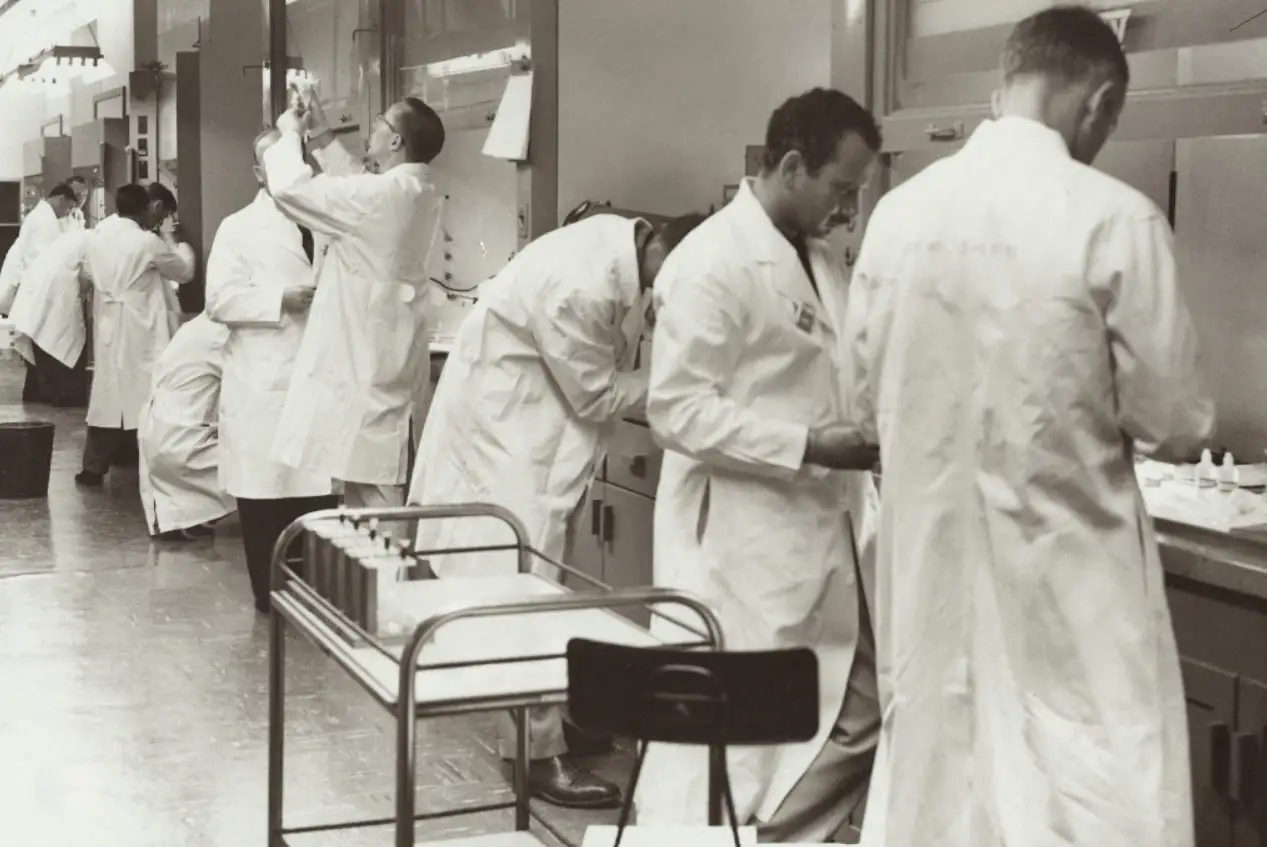
ORAU researchers and students studying radiation.
Through ORINS’ consortium of educational institutions and partnerships with research organizations and government agencies, discoveries made at the Medical Division were shared widely, influencing cancer research and treatment nationally and internationally.
Legacy and impact
Although the Medical Division no longer operates in its original form, its legacy continues through ORAU’s ongoing commitment to scientific research, education and workforce development.
Research conducted at the hospital had a lasting influence on oncology and helped shape how cancer is diagnosed and treated today. The institution’s work in radiation therapy and whole-body scanning contributed to sophisticated medical technologies now used around the world.
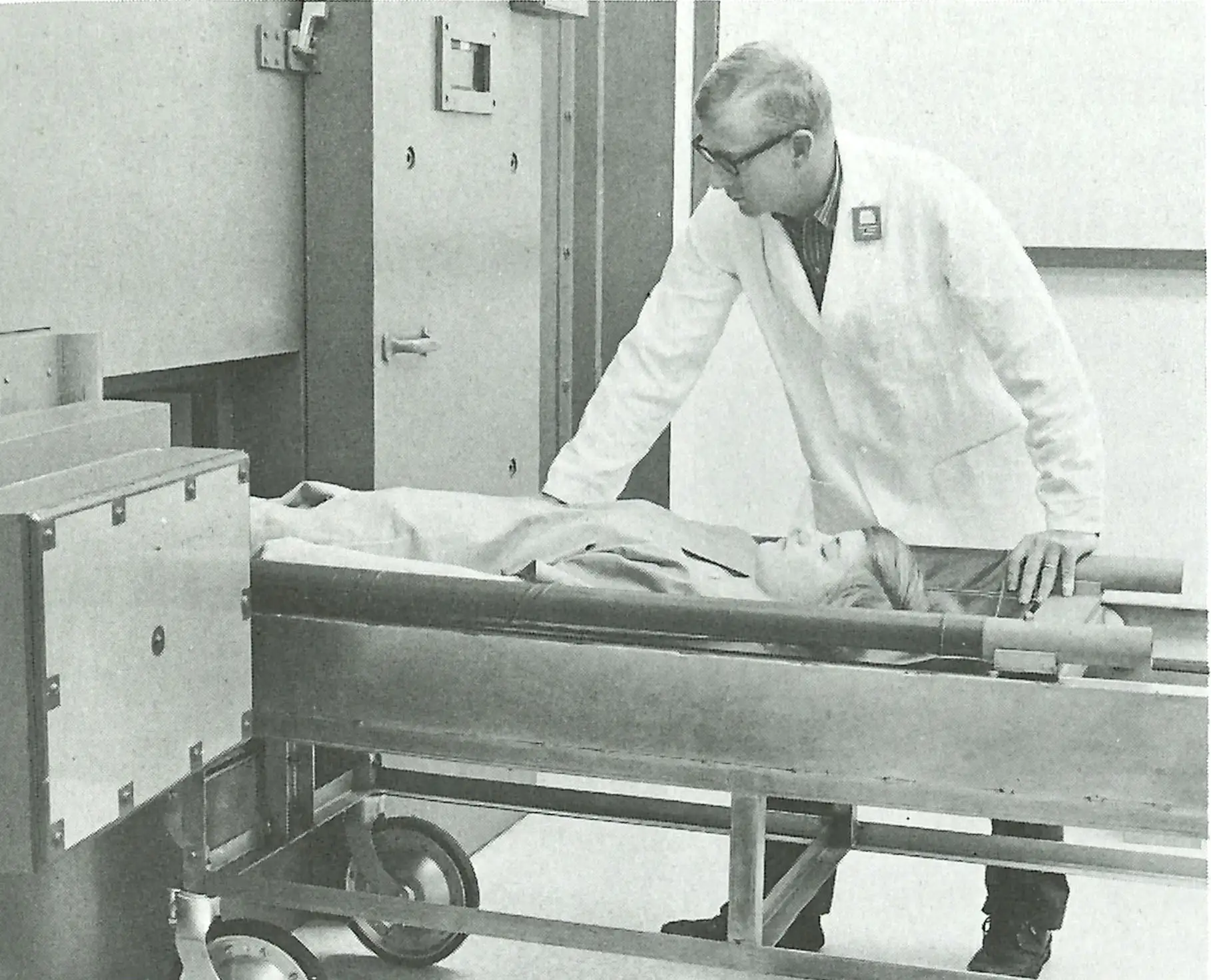
Whole-body counter at Oak Ridge Cancer Research Hospital in Tennessee.
Its contributions to cancer biology also helped advance targeted therapies and immunotherapies that are transforming cancer care. By improving scientists’ understanding of the molecular mechanisms of cancer, researchers were able to develop treatments designed to attack cancer cells while preserving healthy tissue.
Continuing the mission
Because ORAU’s Medical Division is recognized as a catalyst for the very lifesaving cancer treatments doctors all over the world use today, the Tennessee Historical Commission designated a marker on the site where the hospital used to sit.
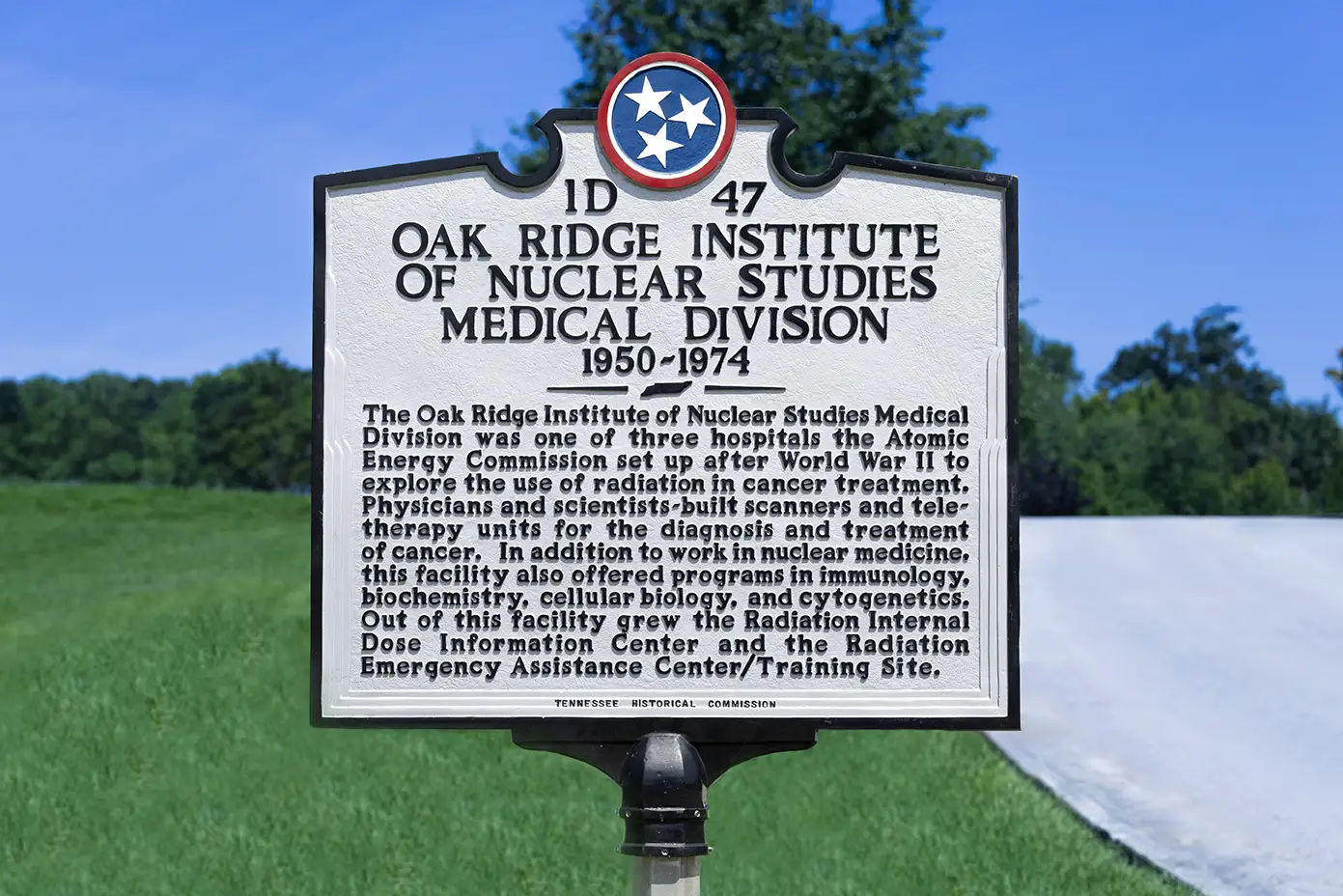
Today, a historical marker sits on the lot that previously housed the ORINS Medical Division.
While ORAU’s work has expanded beyond oncology, the organization remains committed to addressing critical challenges in medicine and public health.
ORAU’s initiatives include supporting research partnerships, providing training opportunities for health care professionals and promoting STEM education to inspire future innovators. These efforts reflect the same spirit of collaboration and discovery that defined the Oak Ridge Cancer Research Hospital. Read about some of our recent projects in this blog ORAU to address nation’s rural health challenges with research innovation cluster meeting and this blog Easing the health care worker shortage: ORAU committed to making a difference wherever we can.
The Medical Division demonstrated the power of science, innovation and collaboration in addressing one of medicine’s greatest challenges: cancer. Through pioneering work in radiation therapy, cancer biology and interdisciplinary research, the institution made significant contributions that continue to shape the field of oncology.
As ORAU carries that legacy forward, it remains a reminder that scientific progress depends on curiosity, collaboration and commitment to improving human health.
For a quick overview of the Medical Division’s contributions – including advances in whole-body radiation and bone marrow transplantation – read 7 important gifts the ORAU Medical Division gave the world.
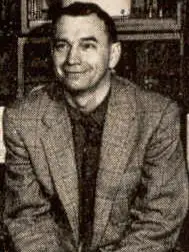
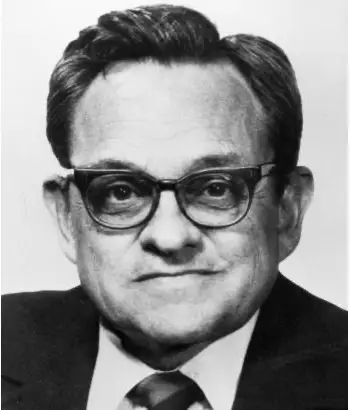
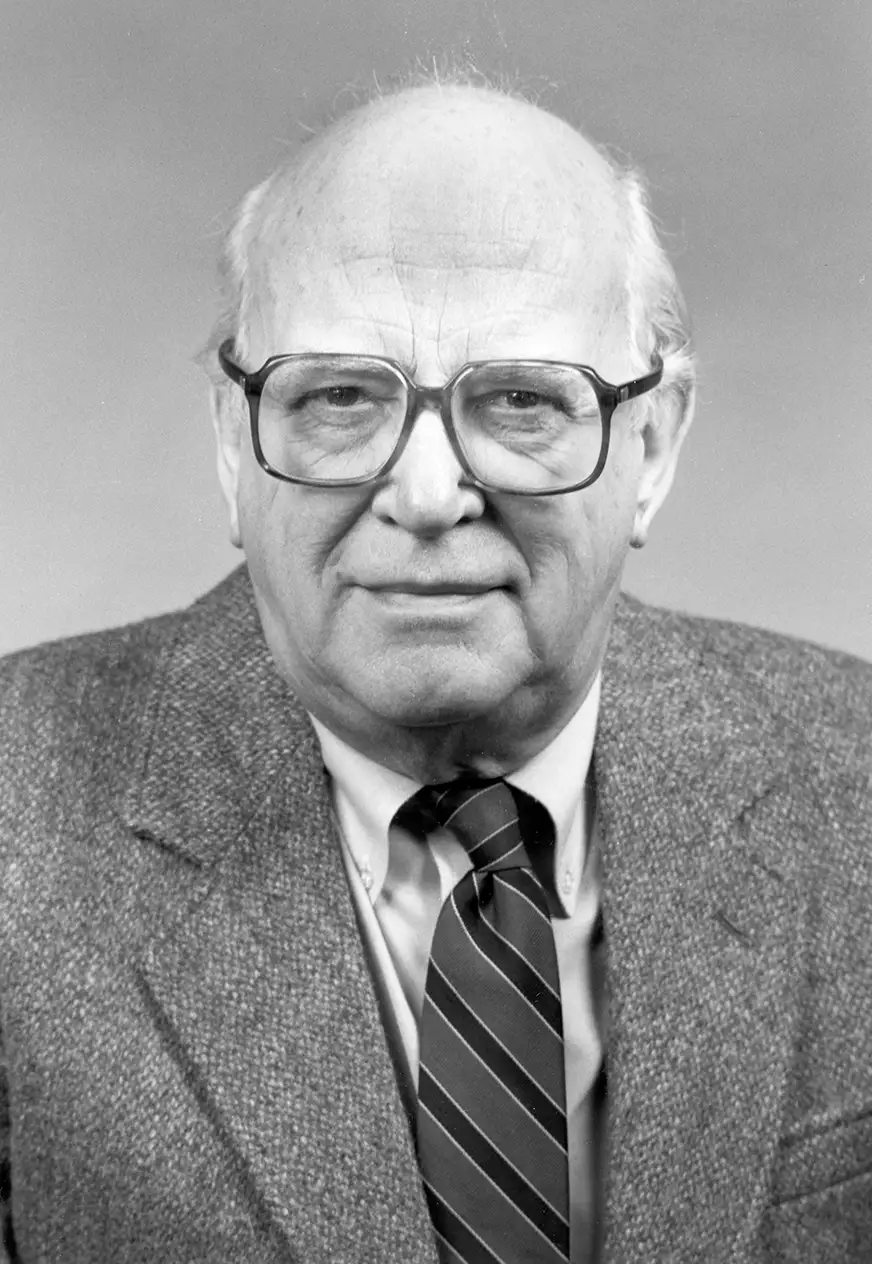
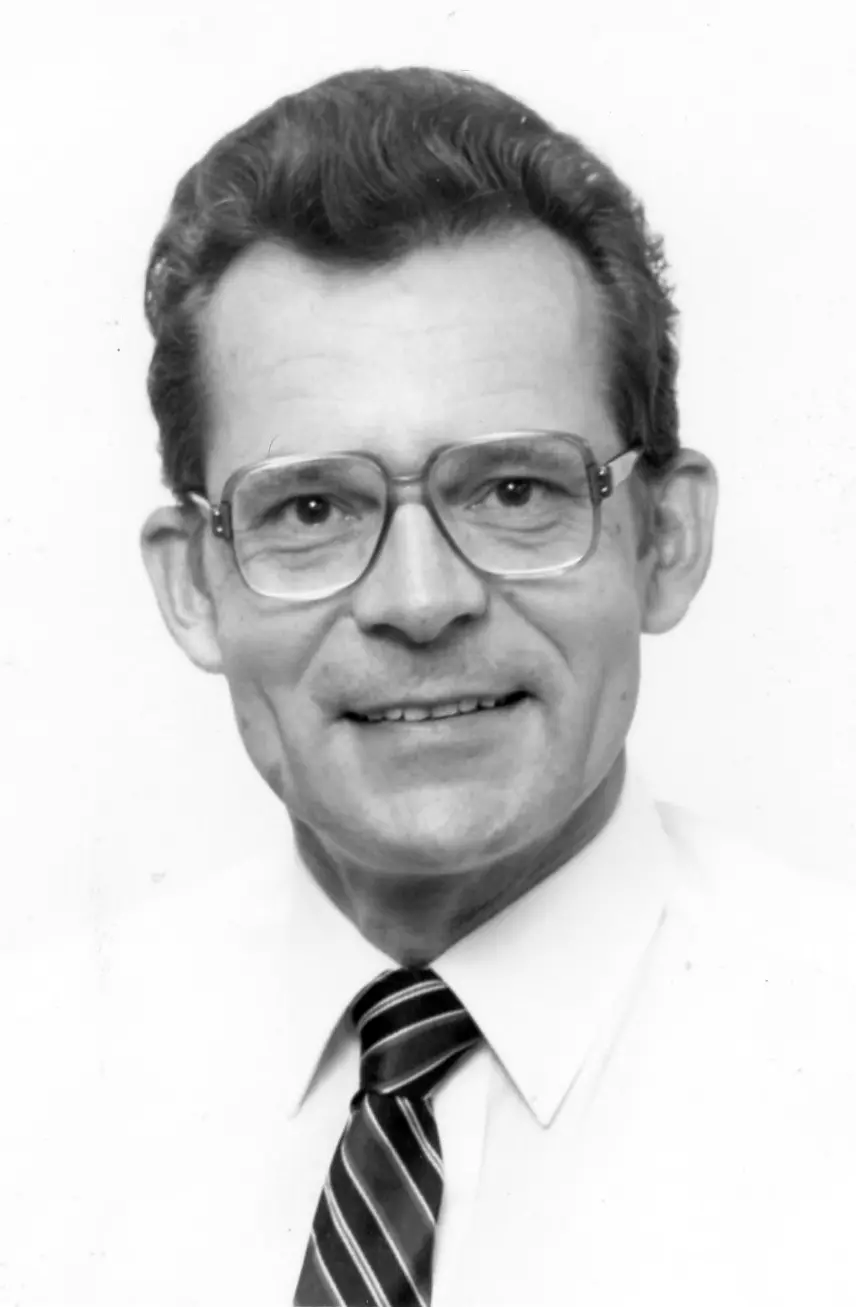
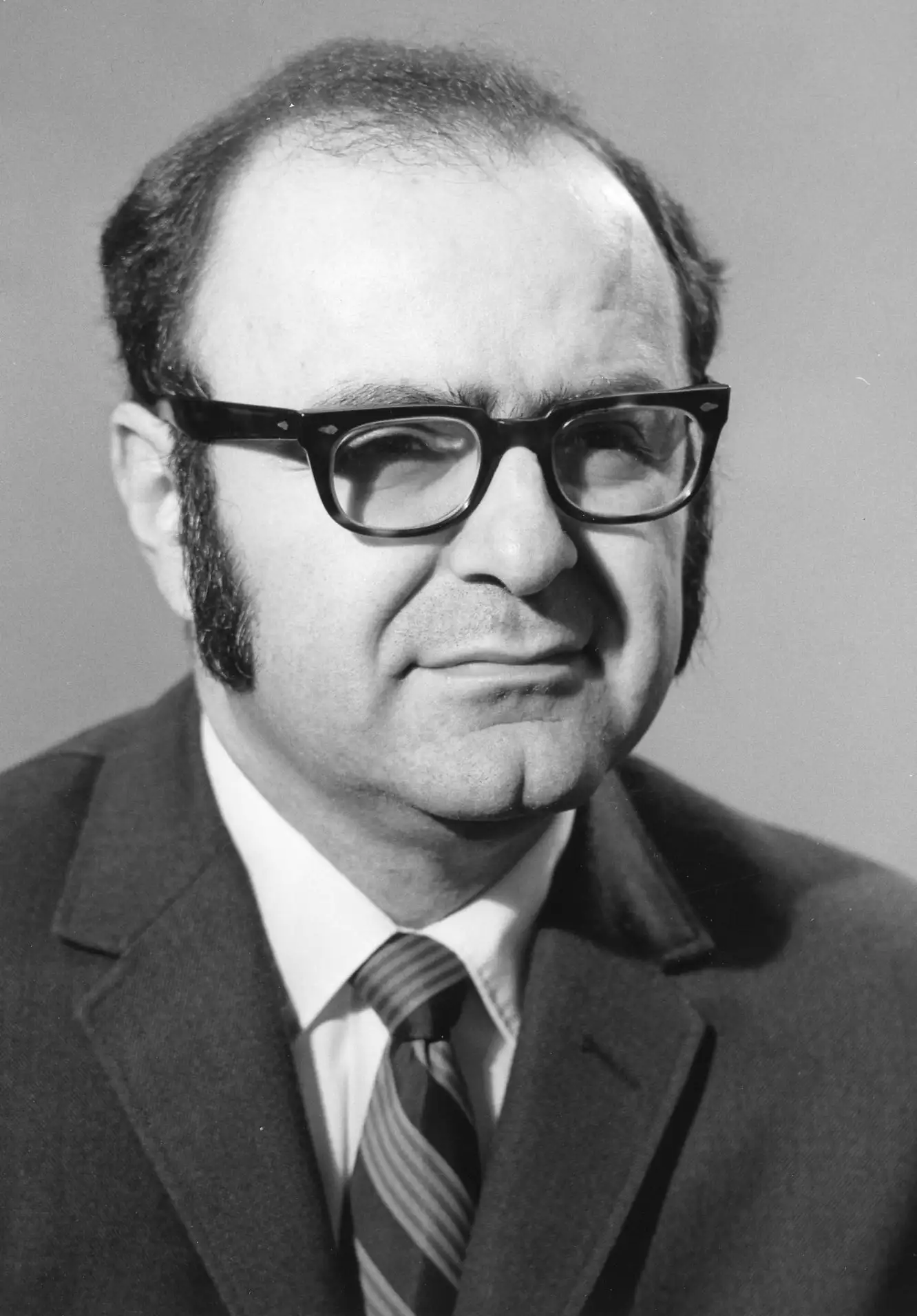
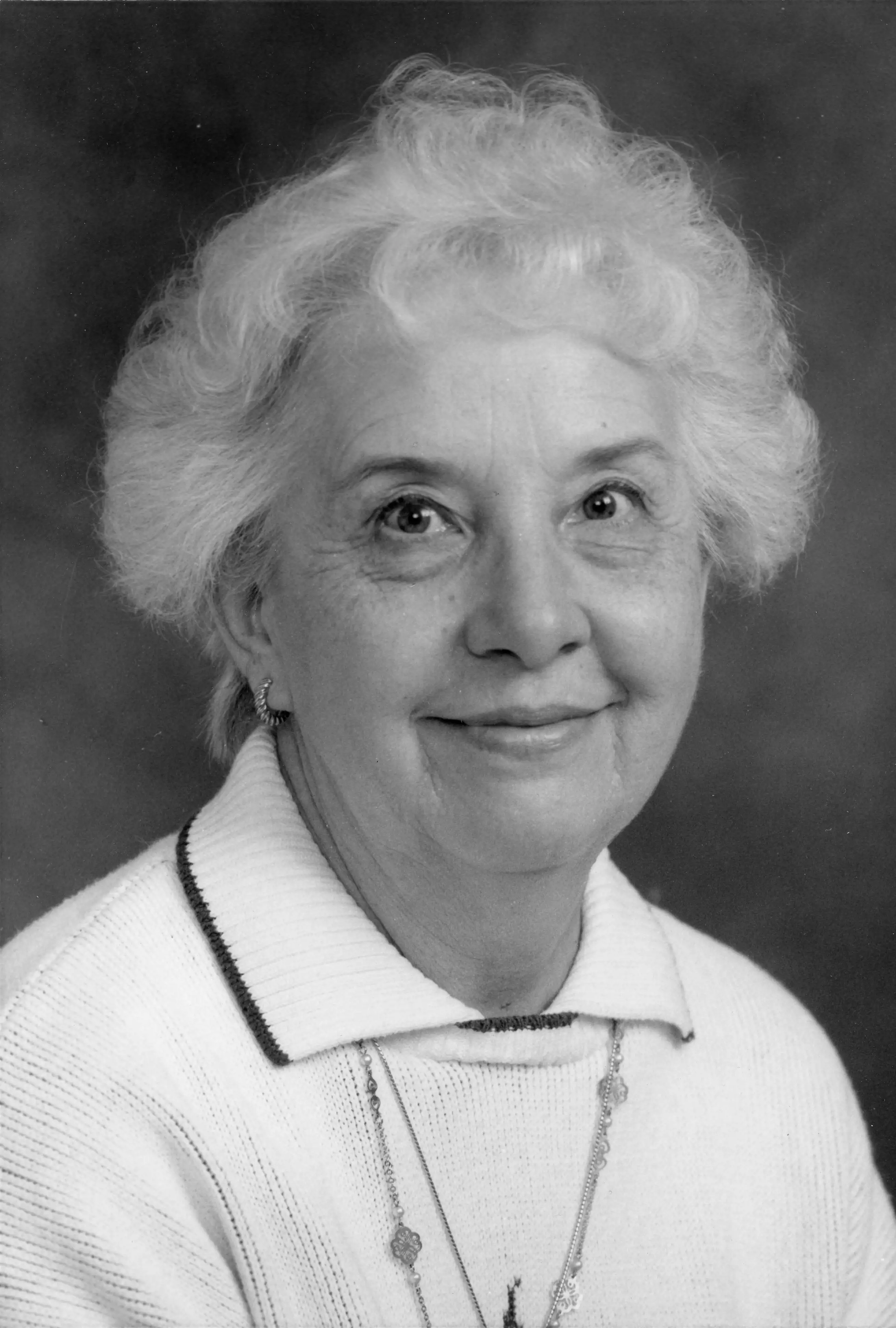
Readers can also learn more about several pioneers in nuclear medicine and notable employees who worked in the ORINS Medical Division:
-
Marshall Brucer
-
Gould Andrews
-
C.C. Lushbaugh
-
Karl Hubner
-
Nazareth Gengozian
-
Evelyn Watson
-
Helen Vodopick-Goswitz
-
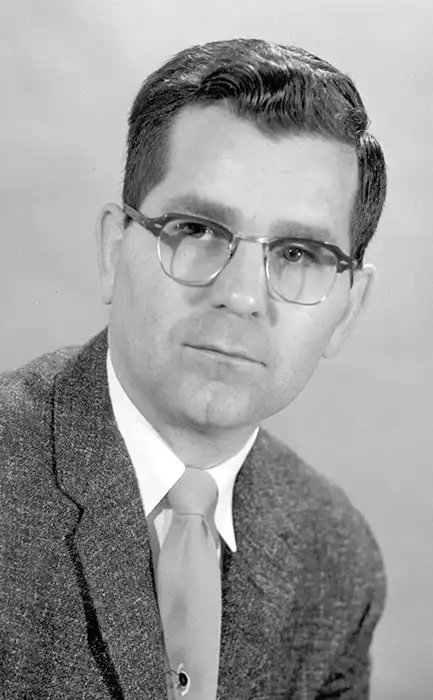
Roger Cloutier
-
Ann Sipe
-
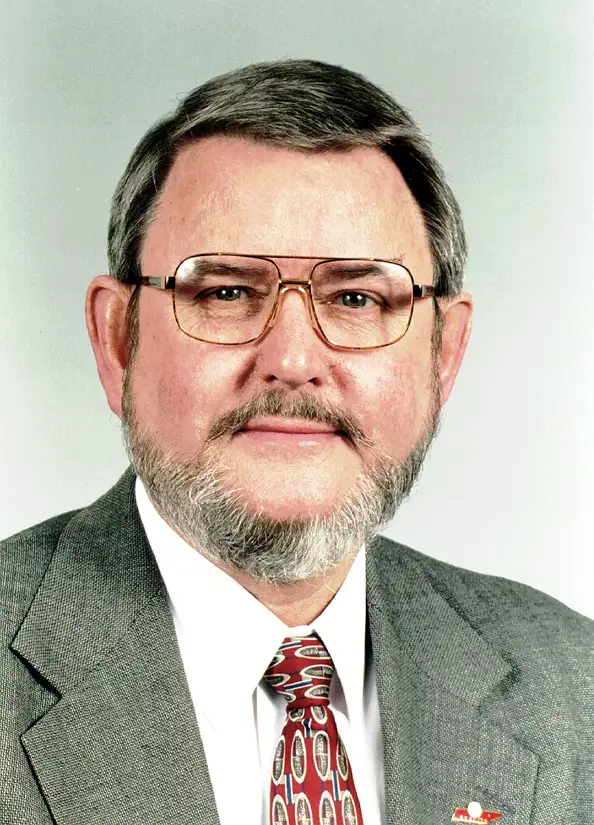
Bob Ricks
-
Jack Beck