
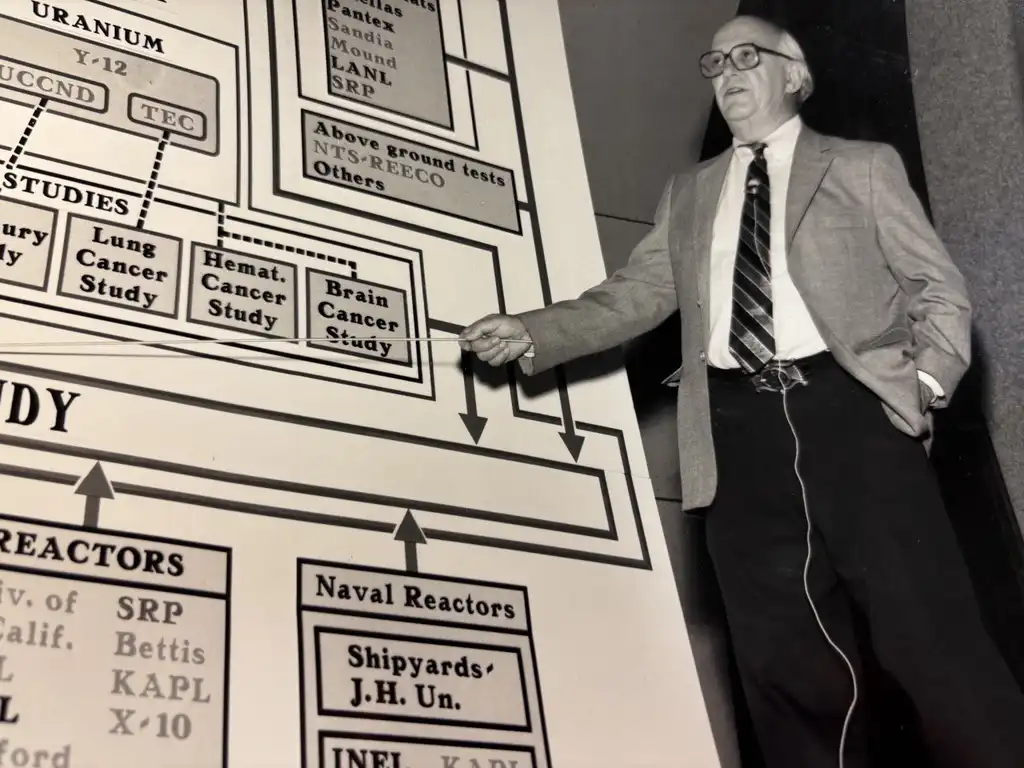
Image of C.C. Lushbaugh in 1984 giving a presentation
Known professionally as C.C. Lushbaugh (March 15, 1916 – Oct. 13, 2000), Dr. Clarence Lushbaugh preferred friends to call him “Lush.” He practiced nuclear medicine during a time that’s now considered a golden era of radiation research—the time when radionuclides were discovered and tested for biological and medical properties. Leaning into this developing field, Lushbaugh excelled. His curiosity and intellect produced a robust resume of impressive experience. At the end of his illustrious career, Dr. Lushbaugh was an internationally recognized specialist in radiation injury.
Early life and inspiration
His journey into medicine was influenced by personal loss: his father died during the influenza epidemic of 1918, when Lushbaugh was a toddler. From that time, he was fascinated (and fearful) of death and decided early on that he wanted to become a doctor. He proudly carried his father’s name and credits his mother, who never remarried, for nurturing his dream and supporting his ambitions. Her unwavering backing was exemplified when she gifted him the $300 she had received and saved after his father’s death to celebrate his graduation from medical school 30 years later.
Lushbaugh attended college at the University of Cincinnati, just across the river from where he grew up in Kentucky. He followed a favorite teacher and transferred to the University of Chicago where he earned his bachelor’s degree in anatomy in 1938. Rather than going straight to medical school, Lushbaugh says he “diddled and daddled” and entered the Ph.D. program in pathology as that field had captured his attention while he was taking pre-clinical courses. This decision would shape his career trajectory.
Significant contributions from the start
As a graduate student, Lushbaugh co-authored an important article about the risk of maternal pulmonary embolism causing death by obstetrical shock. In 1941, when the research was published, there wasn’t much known about this rare disease. Lushbaugh performed an autopsy in which he discovered pulmonary embolism occurs when a blood clot (or other material) travels to the lungs and blocks blood flow in the pulmonary arteries. Years later, his seminal work on amniotic fluid embolism further cemented his reputation as a leading pathologist.
After earning his Ph.D. in experimental pathology in 1942, Dr. Lushbaugh was appointed to the pathology faculty at the University of Chicago where he continued research and teaching. He was promoted to the rank of assistant professor and became the pathologist for the university’s toxicology laboratory.
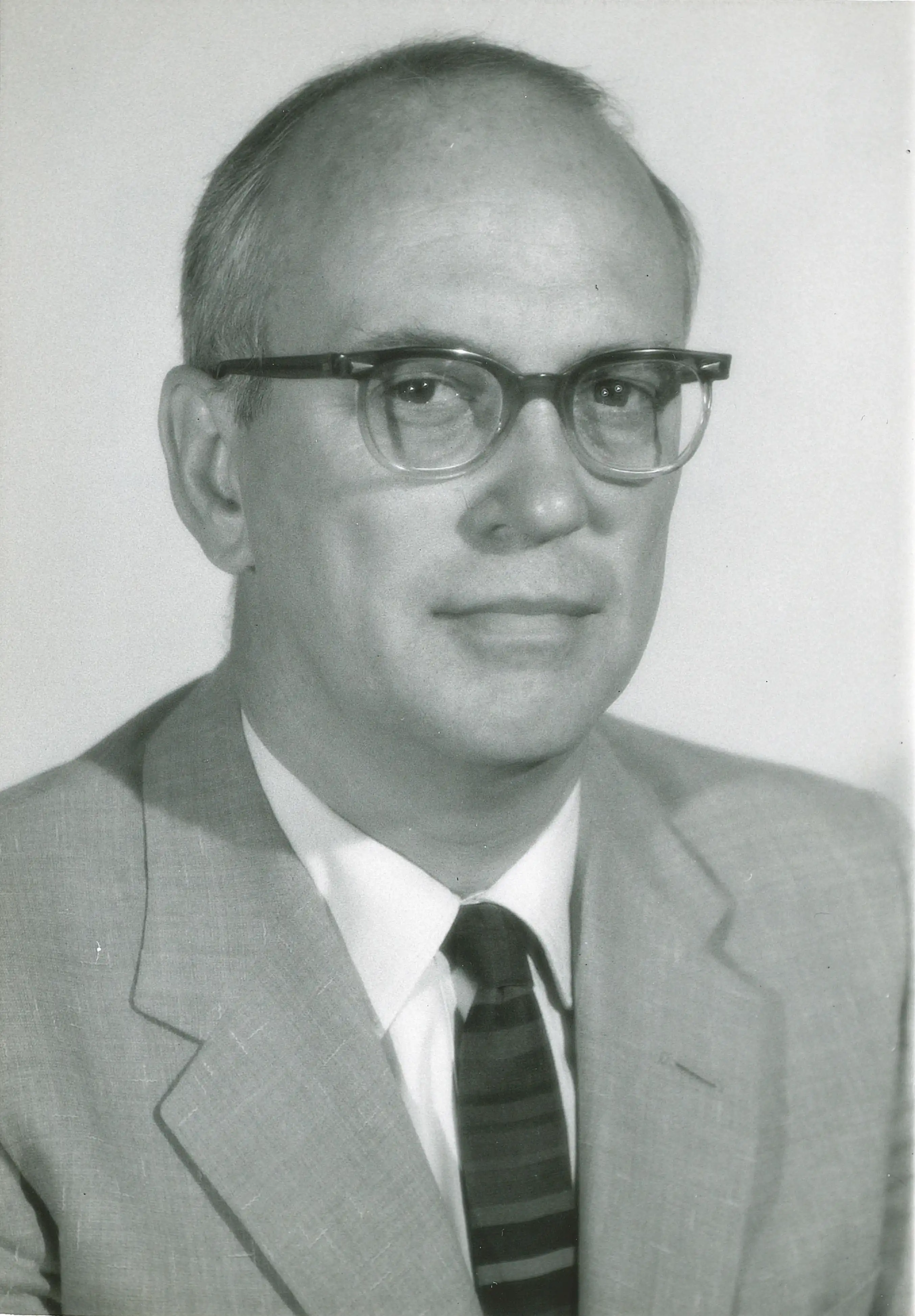
Dr. C.C. Lushbaugh, internationally recognized specialist in radiation injury.
Around this time, the United States’ involvement in World War II had just ramped up, and Lushbaugh found himself studying chemical agents for the military. Noticing similarities between nitrogen mustard and the effects of ionizing radiation, he proposed using these substances as chemotherapeutic agents for cancer patients. He unsuccessfully tried to interest various doctors to consider these substances as chemotherapeutic agents for cancer patients before he finally found a hematologist who listened to his idea for research. Lushbaugh later said this was “probably the greatest idea I ever had in my career,” and, today, the American Cancer Society cites the discovery that nitrogen mustard could shrink lymphoma tumors as the beginning of chemotherapy.
Frustrated he had trouble persuading doctors to take his suggestion seriously, Lushbaugh decided it was time to get his medical degree, so he’d be able to speak with doctors as peers. He re-enrolled in the University of Chicago’s medical school and finished his education with honors: an M.D. in pathology in 1948.
14 years in Los Alamos
The next year, Lushbaugh left Chicago to become the pathologist at the Los Alamos Medical Center in New Mexico and a staff member in the Biomedical Research Group of the Los Alamos Scientific Laboratory. Los Alamos was one of three secret cities that was established in the war effort to develop atomic weapons. It was a sequestered city invested in nuclear research when Lushbaugh arrived and was ripe with case studies for an experimental pathologist to learn how radiation affects the body.
It was here that Dr. Lushbaugh began investigating radiation accidents. One of the most well-known cases he handled was the autopsy of Cecil Kelley, a chemical operator at Los Alamos National Lab who died after a criticality accident exposed him to a lethal dose of radiation. In the postmortem analysis of Kelley’s case, Lushbaugh helped document the progression of radiation sickness and the specific ways in which high-dose radiation impacts various systems in the human body. In Los Alamos’ publication “The Cecil Kelley Criticality Accident” the investigation is documented and demonstrates that Lushbaugh’s contributions yielded valuable insights to the field of radiation pathology.
In another investigation, Dr. Lushbaugh studied “Cedar City Sue,” a sheep from Cedar City, Utah, which was sent to Los Alamos after it was believed its flock was exposed to fallout. During the 1950s, the government conducted aboveground nuclear tests in Southern Nevada. After one particular atomic shot in 1953, scientists believed drifting clouds were seeded and rained fallout downwind over Cedar City. Many sheep reportedly suffered from radiation sickness and lesions on their ears. Lushbaugh observed “Sue” and autopsied all the sheep that died. He concluded that while radiation may have affected the sheep, there was no evidence that the animals had ingested radiation. His studies were part of a broader effort to understand the impact of radiation on living organisms, inform safety protocols and mitigate risks associated with nuclear testing.
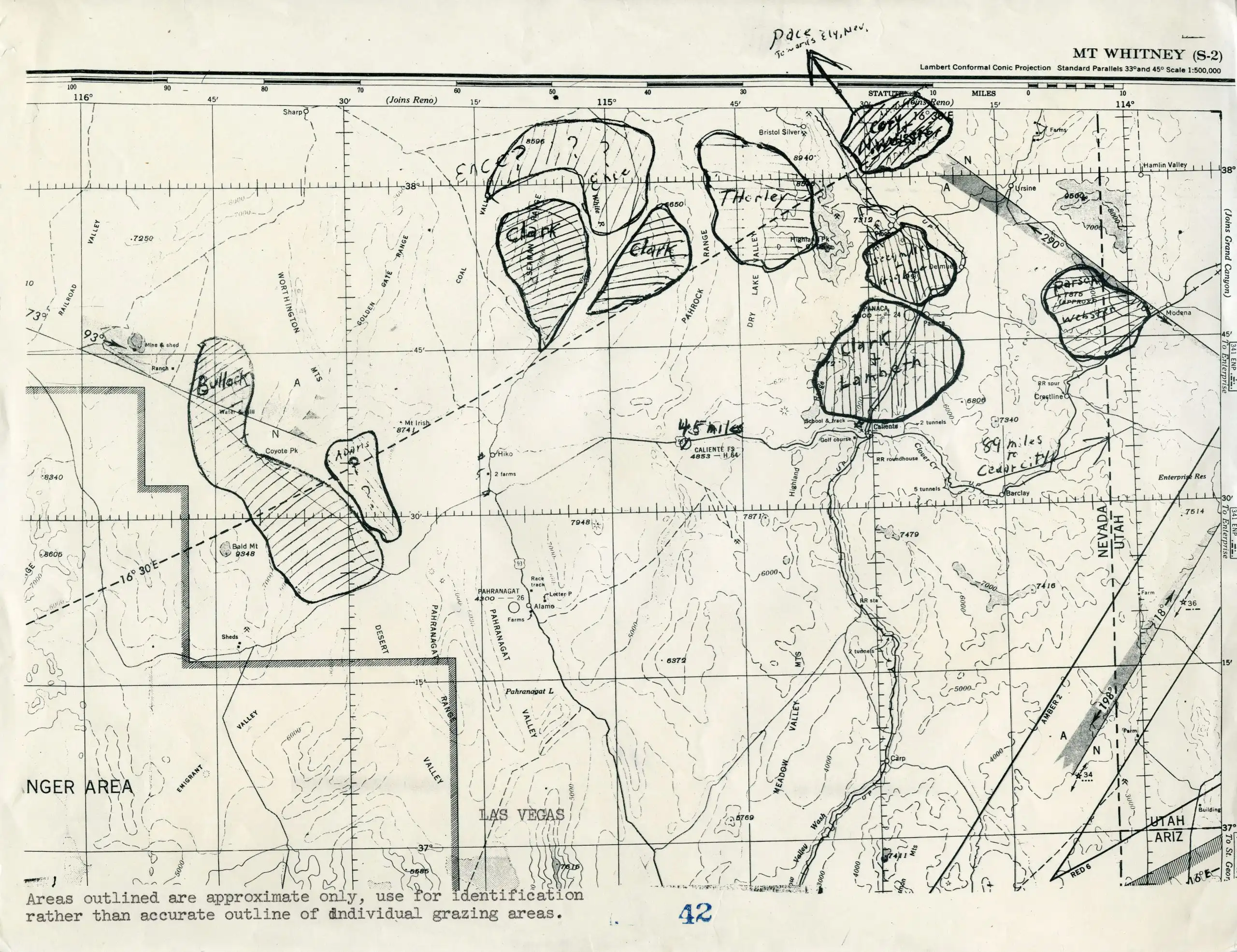
Map of the area affected by the nuclear test; Source: Utah Division of Archives and Records Services
Dr. Lushbaugh is also remembered during his Los Alamos days for his extensive research into determining the lethal dose of radiation that kills 50% of exposed people within 30 days (known as LD50/30). He visited labs, hospitals and physicians who had irradiated people, looking into the data on as many as 3,000 patients. The LD50/30 is a critical measure used in radiation biology that provides a benchmark for evaluating the severity of exposure to radiation. When doctors know the LD50/30, they can estimate the risk of mortality and implement measures to mitigate the risks. Lushbaugh considers this project one of his major contributions to the field of pathology.
From one secret city to another
In 1963, Lushbaugh moved his family one more time. This job change took them to Oak Ridge, Tenn., where he joined the Oak Ridge Institute for Nuclear Studies (ORINS, later ORAU) as chief scientist in the medical division’s applied radiobiology department. Like Los Alamos, Oak Ridge played a significant role in the Manhattan Project and was a center for nuclear research. In fact, the federal government designated the ORINS Medical Division as one of three research hospitals in the country that was investigating the use of radioisotopes for cancer treatment. Lushbaugh was excited to become more involved in medical research.
These images demonstrate how a patient spent time in the LETBI facility at the ORINS Medical Division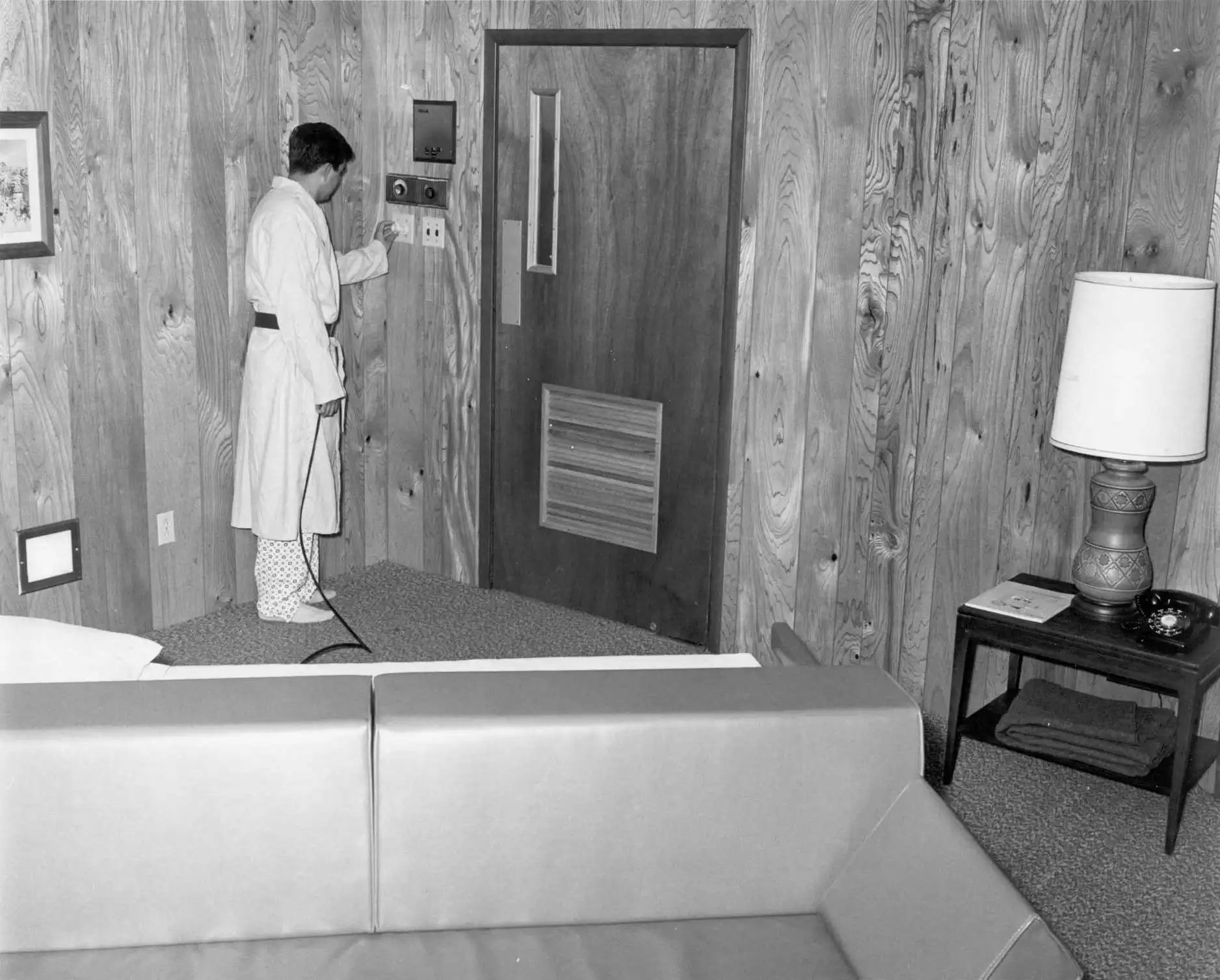
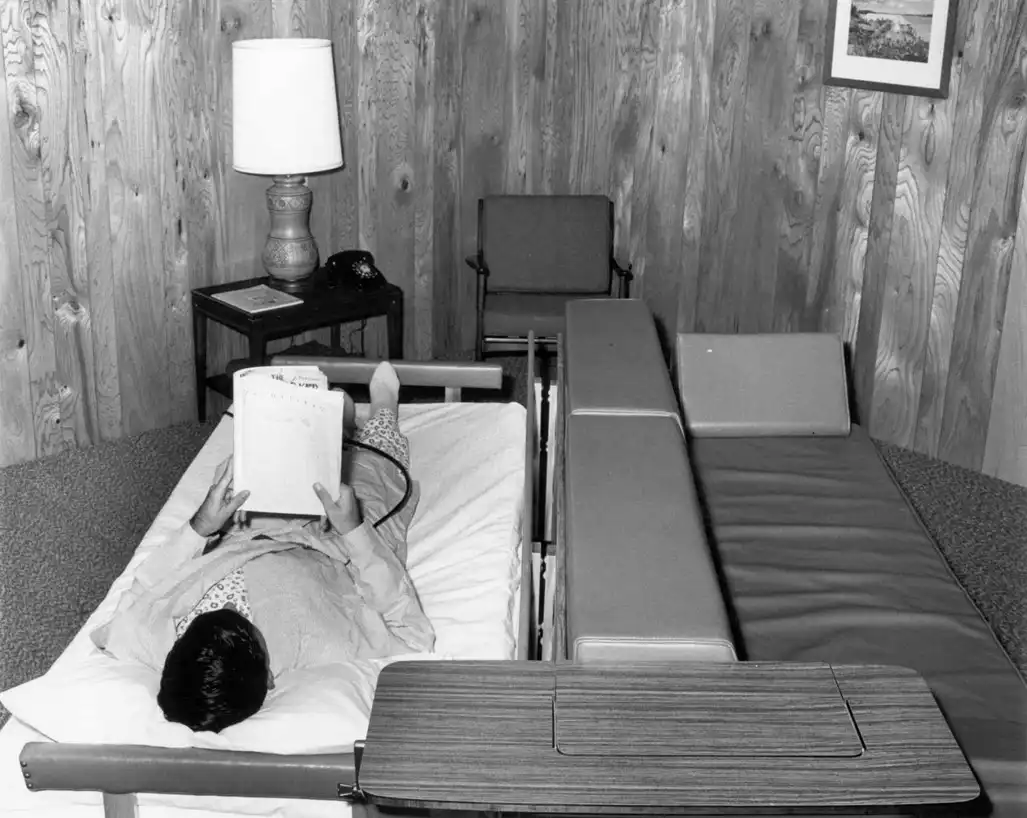
During Dr. Lushbaugh’s tenure at the medical division, ORINS developed the Low Exposure Total Body Irradiator (LETBI). This revolutionary technology was designed to provide controlled, uniform radiation exposure for therapeutic purposes. The treatment rooms were basically small apartments where patients would live during the treatment. Radioactive sources were located throughout the room, so patients would receive the radiation while reading a book or watching television. Dr. Lushbaugh oversaw patient care and research at LETBI. He saw patients with illnesses such as lymphatic disease, leukemia and lymphoma, among other ailments. This facility was instrumental in pioneering the use of radiation technology for cancer treatment and other applications, and LETBI in particular was a key innovation that contributed to advancements in total body irradiation techniques, which improved outcomes.
As medical radiation research expanded across the country and transitioned to other institutions, ORAU closed its medical division in 1974, having fulfilled its mission as a research hospital. Dr. Lushbaugh took all that he had learned through the medical division and leveraged that to establish the Radiation Emergency Assistance Center Training Site (REAC/TS) in 1976. REAC/TS was created to provide specialized expertise in radiation emergency medicine, including training and medical management of radiation exposure and contamination incidents. It is a 24/7 deployable asset for the Department of Energy. Lushbaugh was the first director of the organization, and REAC/TS remains a critical resource in radiation emergency medicine today.
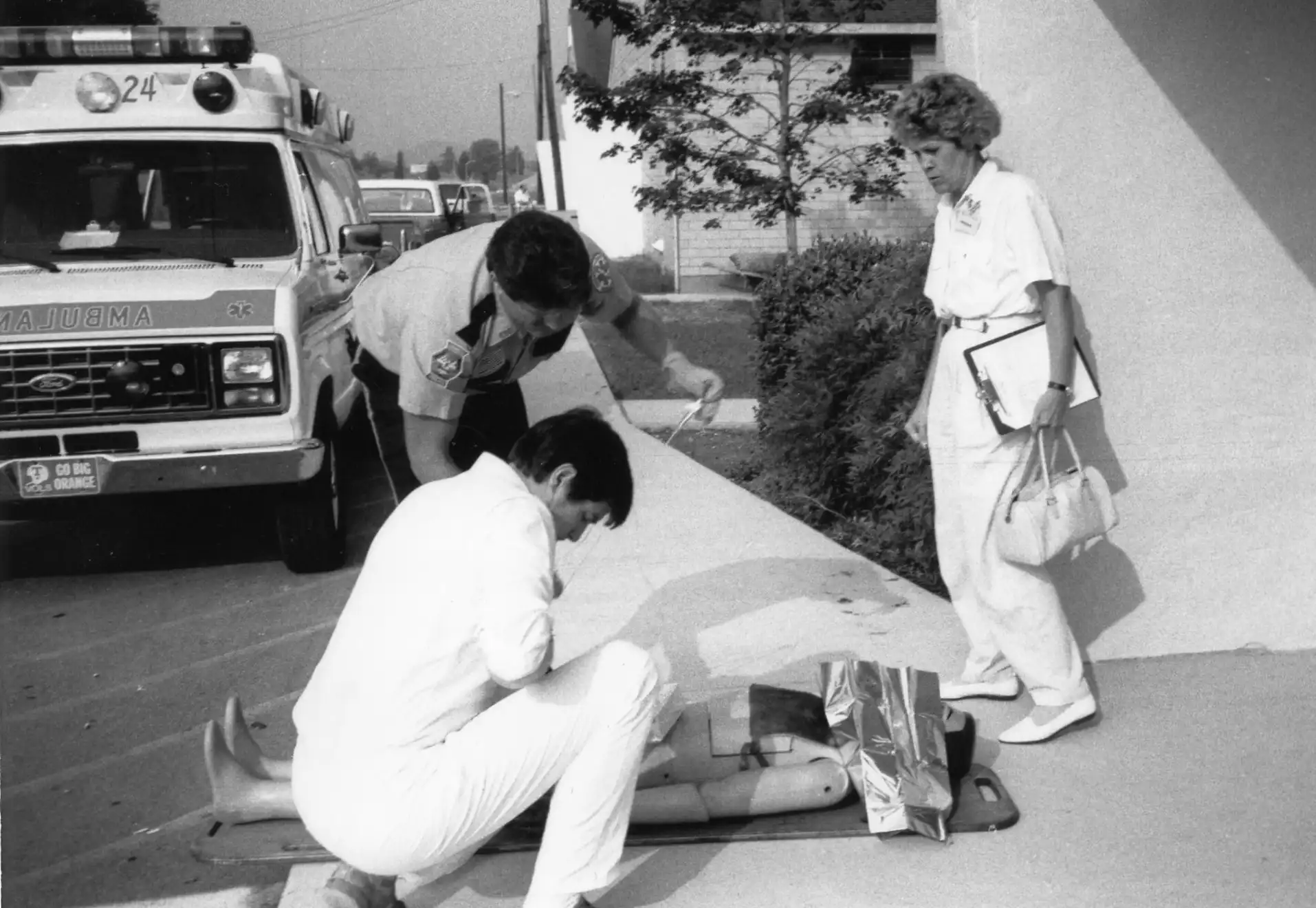
Image from a 1975 REAC/TS training event.
During this time, Lushbaugh was named the chairman of the medical and health sciences division of ORAU in 1975, after a reorganization of the programs emphasized the study of occupational and industrial diseases related to energy production. In 1979, Lushbaugh’s leadership and experience was needed again as he was tapped to serve as the acting director of ORAU’s Center for Epidemiological Research. He filled this role until 1982.
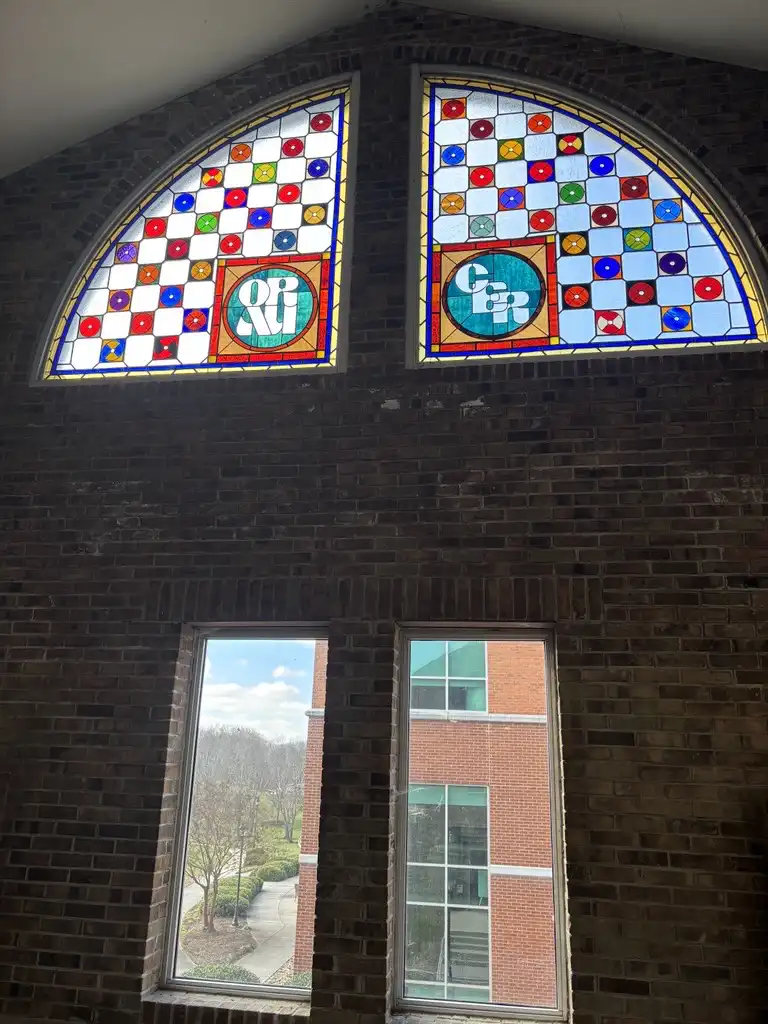
While the epidemiological work the team did is very important (such as ORAU’s involvement in studies focused on workers in the nuclear industry, assessing the long-term health effects of radiation exposure), one of the most endearing legacies Lushbaugh is remembered for around ORAU is the hobby he shared with his wife: making stained glass. One of their most elaborate projects was a double window featured in the lobby of the Center for Epidemiologic Research. Each window is a quarter circle with a seven-foot radius, which is a total of almost 80 square feet. The medallions represent each of ORAU’s member universities at the time.
Dr. C.C. Lushbaugh with his wife Dorothy when their stained-glass windows were installed in ORAU’s Center for Epidemiologic Research in 1982. Modern-day picture of the same windows.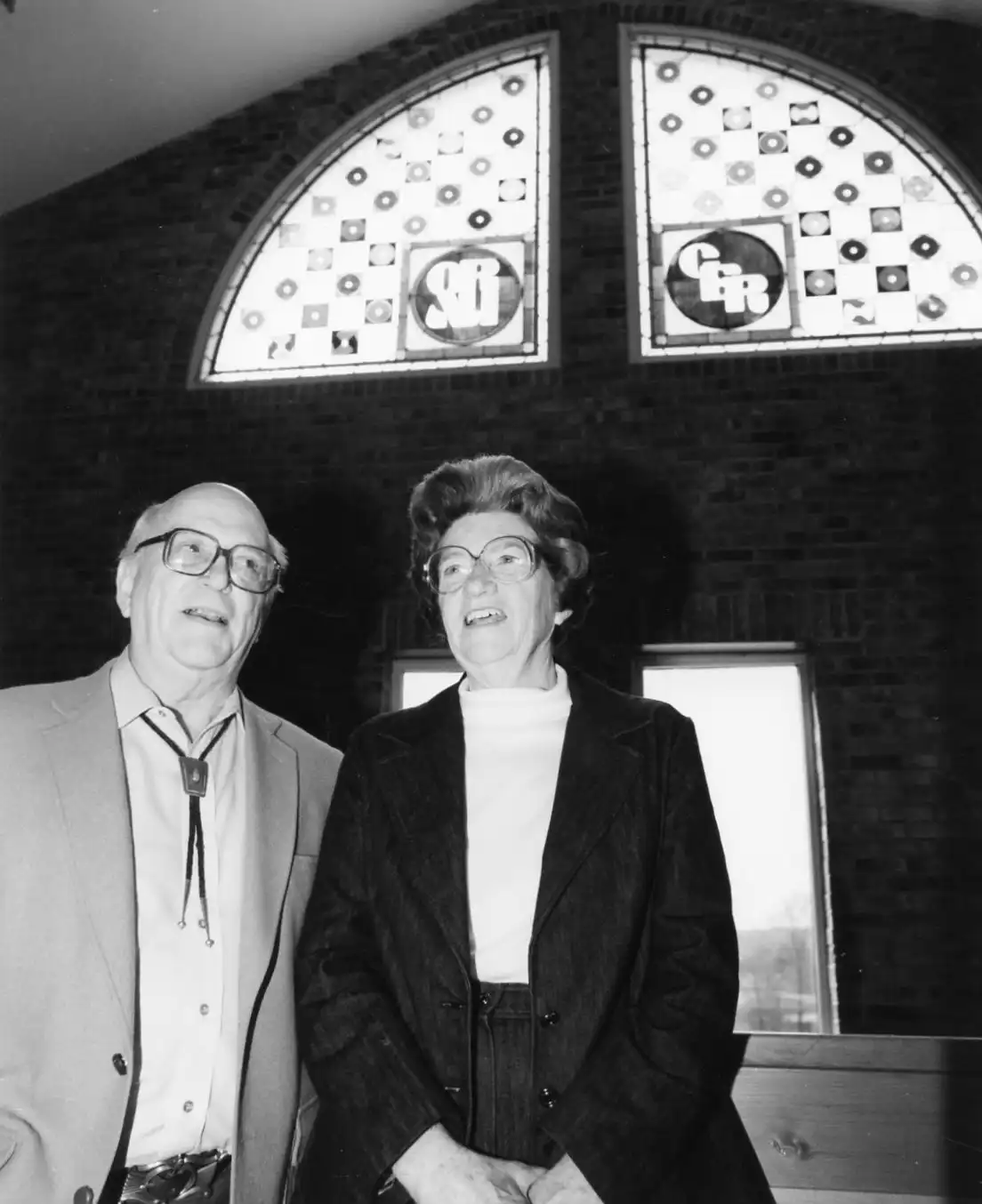
Respected advisor
Because Dr. Lushbaugh was internationally recognized, he served as a consultant on behalf of the World Health Organization in radiation accidents including the infamous incident in Chernobyl, Ukraine. He also responded to incidents in Juarez, Mexico; Goiania, Brazil; and San Salvador, El Salvador, providing insights and guidance in radiation emergency response.
Domestically, his contributions were far-reaching. In addition to general radiation research, he also worked with the Food and Drug Administration, leading ORAU’s study of DTPA, an agent used to remove radionuclides from the body after accidental internal contamination. His work contributed to advancements in radiation safety and treatment protocols.
Recognition and legacy
Beyond titles and leadership, Clarence Lushbaugh’s career was decorated with awards. In 1984, he was the recipient of the Distinguished Scientific Achievement Award presented by the Health Physics Society. Borrowing from the storyline of The Wizard of Oz the presenter said, “History has shown that Clarence C. Lushbaugh has courage, a heart, brains, and much experience, but never in Dr. Lushbaugh’s long, distinguished career has he been content with simply getting back to Kansas.”
The next year, he was named the Landauer award winner by the American Association of Physicists. This award is an honor that recognizes outstanding contributions in medical physics, particularly in the areas of radiation dosimetry and associated technologies.
Even local media members were Lushbaugh fans. In the Oct. 31, 2000, edition of The Oak Ridger, the founding editor of the paper, Richard D. Smyser, wrote a memorial article stating that Lushbaugh, “continued as a valued senior staff member [at ORAU] for decades, during which he played not only a major medical but also a major public information role. He was readily available to explain the intricacies of radiation exposure to the press, an essential function in which is still a time of often gross misinterpretation of such accidents.”
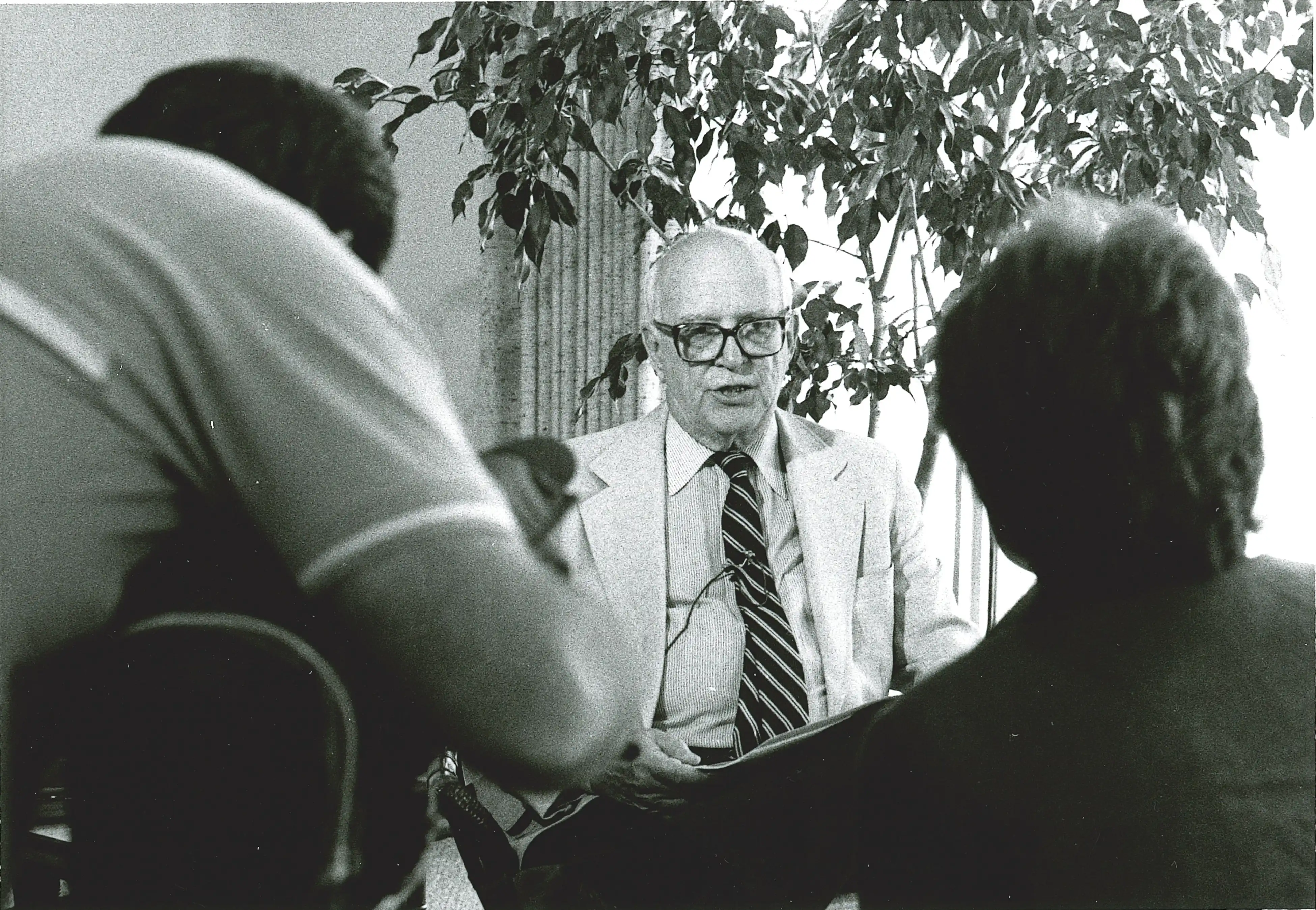
Dr. Lushbaugh giving an interview.
In his nearly 50-year career, he authored more than 150 scientific articles, book chapters and books, mostly on chemical and radiation pathology and human radiation biology.
He retired in 1990 as ORAU’s chief of radiation medicine.
After a lengthy battle with Alzheimer’s Disease, Clarence Lushbaugh died in the year 2000.
His longtime friend John Storer, who met him when he was a medical student and Dr. Lushbaugh was an instructor, memorialized him this way: “He was always somewhat of a nonconformist and early on decided that he would always observe Friday the thirteenth as a personal holiday. He called it “Pogo Day” after the cartoon character of Walt Kelly. It is perhaps appropriate that Lush died on Pogo Day, Friday, Oct. 13,” Storer wrote.
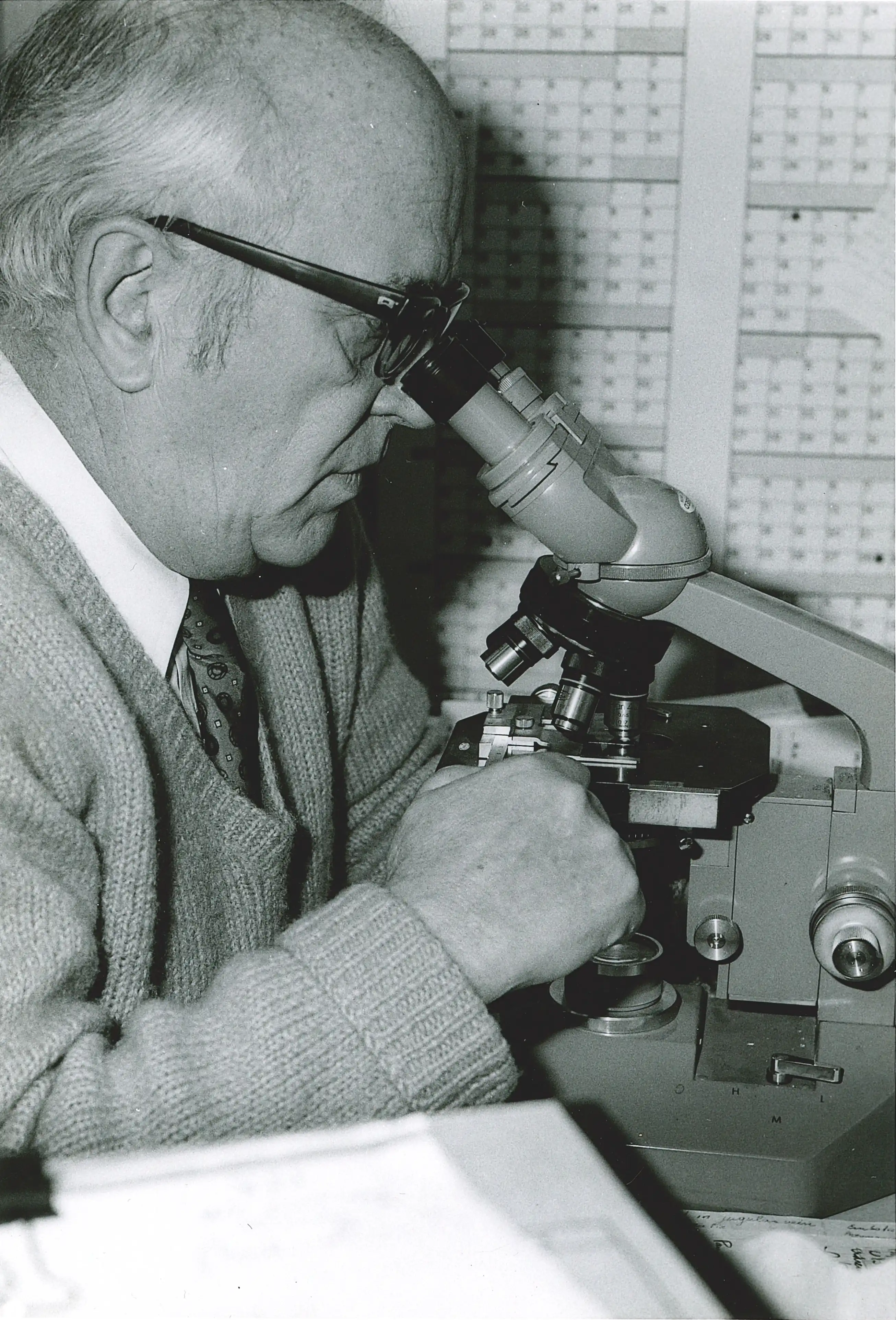
Dr. Lushbaugh using a microscope
Dr. Clarence Lushbaugh left an indelible mark on the fields of pathology, radiation medicine and nuclear research. His groundbreaking work, leadership and dedication to advancing science and medicine have inspired generations of researchers and practitioners.
Thank you, Dr. Lushbaugh, for sharing your brilliance with us. We are better for it.
Sources:
Oral Histories, DOE Openness: Human Radiation Experiments
Human Radiation Experiments: The Department of Energy Roadmap to the Story and the Records
Radiation Research Society, March 2001, “In Memoriam” article by John Storer (friend who met him as a medical student when Lushbaugh was an instructor)