

When you hear the phrase, “rural health crisis,” you might picture small, isolated towns, long dirt roads, and communities far from major medical centers. Small town problems are someone else’s problems, right?

The rural health crisis may be much closer than you think. Twenty percent of the U.S. population lives in rural areas. This crisis affects where your next nurse comes from, how crowded your emergency room becomes, how long you wait to see a specialist, and how quickly resources can be gathered in the event of a public health emergency.
ORAU hopes to provide solutions to the country’s rural health challenges through its Rural Health Research Innovation Cluster (RIC). The RIC initiative is a way to bring together our partners, beginning with members of the ORAU University Consortium and then expanding to others, to create a collective focus on solving the complex problems that impact rural health and resilience across the country.
“We want to share expertise, build partnerships and engage in collaborative research efforts to look at solutions that can applied both locally and nationally,” said Casey Thomas, strategic partnerships and engagement manager, which is convening the Rural Health RIC. “This is a way to harness the power of our consortium, with a focus on translating research into practical application.”
Thomas continued: “We want to empower rural communities with innovative, sustainable and evidence-driven health solutions that improve outcomes, strengthen resilience and reduce health inequities.”
Members of the ORAU University Consortium are invited to a workshop to kick off the Rural Health RIC on Thursday, August 6, 2026. If you’re interested in participating, email Casey Thomas at casey.thomas@orau.org or reach out to your university’s ORAU councilor.
The Rural Health RIC’s vision to improve rural health is in keeping with federal government priorities.
Healthy rural communities are essential to achieving the goals of the U.S. Department of Health and Human Services (HHS) Make America Healthy Again agenda, said Tom Engels, administrator of the Health Resources and Services Administration (HRSA) in a news release announcing $140 million in new funding to improve health in rural communities. HRSA is the lead agency within HHS responsible for improving access to care for people who are geographically isolated and economically or medically vulnerable.
“These funding opportunities support state and local organizations that understand their communities’ unique needs and are best positioned to deliver solutions,” Engels said. “By strengthening rural health care systems, expanding access to quality care, investing in telehealth innovation, and supporting the rural health workforce, HRSA is helping ensure that people living in rural America have the opportunity to lead healthier lives and that their communities remain strong for generations to come.”
The reality is that what happens in rural America affects the entire country.
NewsTalk 98.7’s Yarbrough Show Interview
Casey Thomas, ORAU strategic partnerships and engagement manager, talks to Bob Yarbrough, host of NewsTalk 98.7’s Yarbrough Show, about the upcoming rural health Research Innovation Cluster workshop, set for August 6, 2026, at the Hilton Knoxville Airport. The workshop will bring together members of the ORAU University Consortium to discuss and begin to work toward solutions for the country’s rural health challenges, like workforce, access to women’s care, access to mental health services, and limitations in public health crisis response.
Technology can bridge access to care gaps
People living in rural areas face significant access to care gaps that can impact health outcomes because of hospital and clinic closures, lack of primary and specialty care providers, geographic distance and lack of public transportation. Eighty percent of rural America is medically underserved, according to the National Institute for Health Care Management.
Telehealth or telemedicine, where clinical and non-clinical health care is delivered using video calls, secure messaging or wearable health devices, and innovative care models offer opportunities to reduce access gaps. ORAU’s Rural Health RIC will examine telehealth solutions and digital health tools to alleviate distance and provider shortages; strategies to expand mental health care access in rural areas, including stigma reduction, training and expanding provider networks; and evidence-based approaches to strengthen access to substance use disorder treatment in rural communities.
Technology provides an opportunity to bridge some of the gaps in access to care, but large swaths of rural America lack access to high-speed broadband internet. And, while younger people are considered digital natives who have an innate knowledge of technology, the aging rural population overall has a lack of digital literacy which can make access to care through telehealth problematic, according to research published in the Journal of Rural Health.
Mental health care in rural areas is impacted by provider shortages, transportation challenges and social stigma associated with mental illness. These factors and others contribute to higher suicide and overdose rates in rural communities compared to metropolitan areas, according to the National Alliance on Mental Illness. Virtual consultations and remote monitoring can expand access to mental health care services, but rural residents may need help accessing high-speed broadband internet and use of devices like laptops and tablets to make engaging in telemedicine more comfortable, especially for older users, according to the Atlanta Federal Reserve Bank.
Substance use disorder (SUD) in rural communities is impacted by lack of access to care. Rural communities have per capita overdose rates that are 45% higher than urban areas. Rural residents are far less likely to have access to medications for opioid use disorder, like Narcan or buprenorphine, according to the University of Chicago. Complicating SUD for rural residents is the lack of anonymity that comes with living in tight-knit communities where “everybody knows your business” and the stigma associated with SUD.
ORAU has been working for more than 15 years to understand the contributing factors to SUD, like upbringing, relationships, trauma and stigma. Better understanding all contributing factors has the potential to improve harm reduction and break the addiction cycle. For five years, ORAU supported the HEALing Communities (or Helping to End Addiction Longterm) Study of the National Institute on Drug Abuse and the Substance Abuse and Mental Health Services Administration. ORAU partnered with community coalitions and all four HEALing Communities research sites—University of Kentucky, the Ohio State University, Boston Medical Center and Columbia University—to design campaigns on a range of topics, like educating individuals on how to carry and use naloxone to assist someone experiencing an overdose, available medications for treating opioid use disorder, and steps that can be taken at the community level to reduce stigma.
“Technology offers great solutions for improving access to health care, access to mental health services and access to support for SUD,” said Brenda Blunt, ORAU senior director for health and resiliency strategy. “We need to find the right solutions for the right population that are easy to use and will assist rural patients in obtaining and the care they desire and need.”
Workforce shortages affect everyone
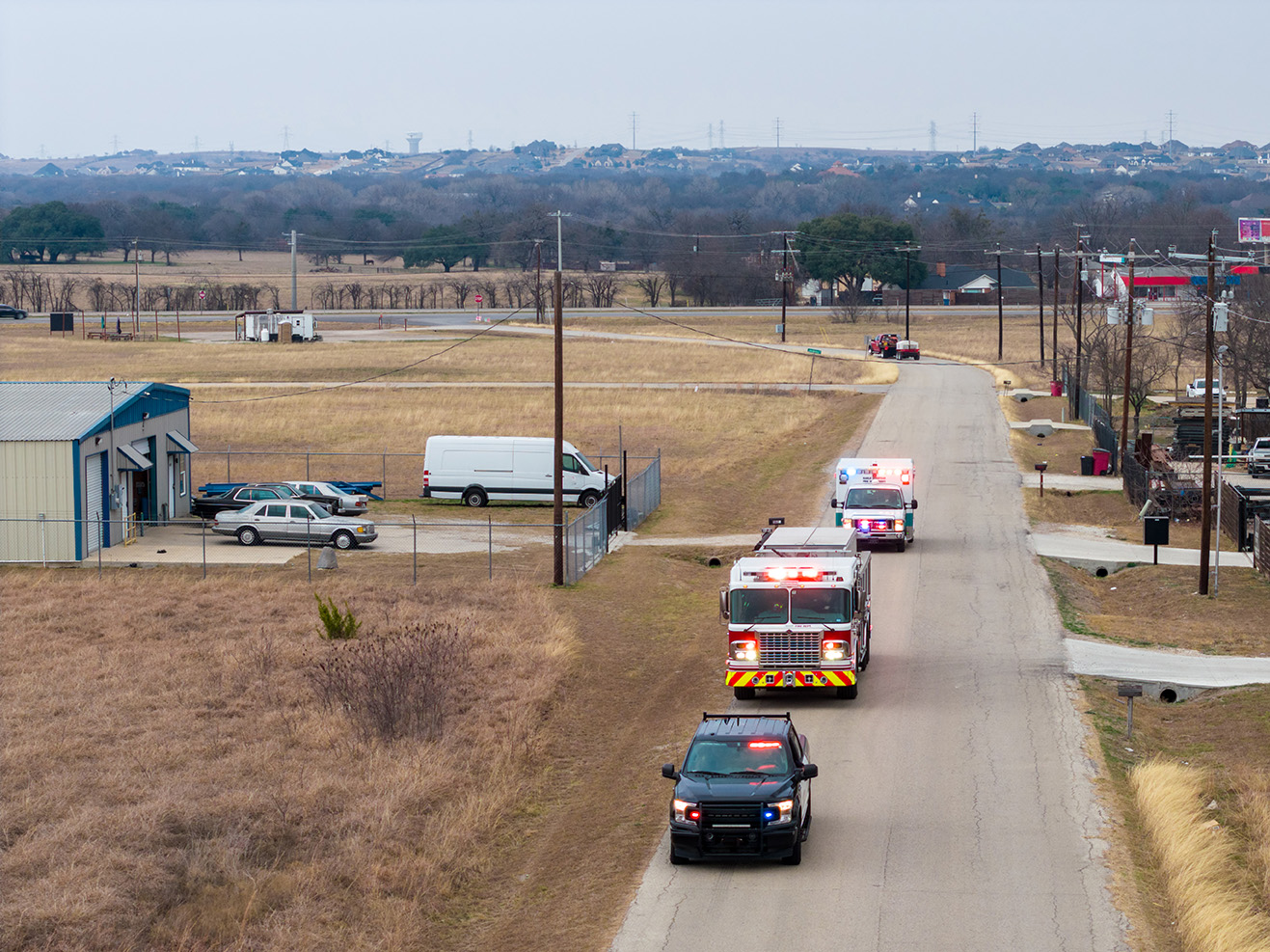
Rural communities compete with urban and suburban areas for doctors, nurses, therapists and other health professionals. According to HRSA, non-metropolitan areas are projected to face a staggering 58% shortage of health care workers by 2038, compared to just a 5% shortage in metropolitan areas.
The projected shortage of workers will impact every aspect of healthcare, as this shortage will include doctors, nurses, psychiatrists, psychologists, addiction counselors, opticians, respiratory therapists, pharmacists, chiropractors, dentists, dental hygienists, and many other categories of healthcare workers.
The workforce shortage is exacerbated by hospital and clinic closures in rural areas, which are rampant across the country, according to Saving Rural Hospitals. The organization reports that over 200 rural hospitals have closed or discontinued inpatient service in the United States since 2005. One-third of remaining rural facilities – about 720 hospitals nationwide – are at risk of shutting down.
The shortage of health care workers creates medical deserts, where insufficient access to health care leads to longer travel times to medical facilities, more crowded waiting rooms and longer waiting times for critical care in emergency departments.
“Keeping Americans healthy depends on a well-trained interdisciplinary health care workforce,” Blunt said. “We need to be working now to avoid the projected shortages of healthcare workers, especially in rural communities. Transportation is one barrier of many for many in rural communities, where some people simply don’t have the means to drive long distances to see their doctors. We need to examine how technology can support care across the miles; how we can creatively provide care using a variety of professionals such as community health workers, doulas, nurses, and other professions to fill the gaps; and we need provide incentives that encourage medical professionals to work in rural communities.”
The nationwide shortage of healthcare workers means that when rural areas must compete with large metropolitan areas, rural communities will be left without access to care. The Rural Health RIC will explore approaches to strengthen and diversity the health care workforce, including leveraging varied provider types (e.g., physicians, nurses, community health workers, allied health professionals and behavioral health providers); expanding training pathways through two-year degree programs, advanced degrees, and certification programs; and identifying and addressing barriers to recruitment, retention and professional advancement in rural health systems.
Rural health challenges affect women’s care
The population served by rural providers is generally older and sicker than the population served by metropolitan hospitals, according to the U.S. Centers for Disease Control and Prevention. Women living in rural areas face severe health disparities. According to the American College of Obstetricians and Gynecologists, two-thirds of women in rural areas are living in maternity care deserts, and maternal mortality rates are double that of women in metropolitan areas. Rural More than 50% of rural counties lack a single obstetrical unit.
Women living in rural areas face access challenges to gynecologic care as well. They face barriers to effective menopause care, resulting in higher rates of severe symptoms like muscle aches, mood swings and panic attacks, as well as access to birth control and specialty gynecologic care. Many of the issues already mentioned, like geographic isolation, workforce shortages and economic barriers, keep many women in rural communities from accessing routine preventive health screenings, cancer screenings, and specialized care.
Women living in rural areas are less likely to be screened for cervical and breast cancer, even though many are eligible for free screening programs through the CDC and local health departments. As a result of poor screening rates, women with cervical or breast cancer living in rural communities face significantly higher mortality rates than women living in urban areas. It’s also important to note the higher rates of chronic disease related to smoking, obesity, substance use disorders and mental health issues for women in rural communities, according to the National Partnership for Women and Families.
Regarding women’s health, the Rural Health RIC will focus on improving access to research and education on menopause and women-specific conditions; addressing maternal morbidity and mortality, including gaps in prenatal, perinatal and postpartum care; and enhancing rural providers’ capacity to deliver comprehensive women’s health services.
“Women’s health is at a crisis point in rural communities,” Blunt said. “Rural hospitals often cannot afford to keep obstetrics services operating because they don’t serve enough patients to make these services profitable, so patients must travel to other communities to get the care they need. Transportation can be a barrier, and lack of insurance is often a barrier for women seeking care.”
Women need access to providers who can focus on the uniqueness of diagnoses for women. Technology is likely to play a role in solving this access issue.
Preparedness and resilience challenges in rural communities
Preparedness for public health emergencies is important in every community; however rural communities have unique vulnerabilities that are difficult to address. These vulnerabilities include limited hospital surge capacity, emergency medical services that are reliant on volunteers to operate, and geographic isolation, according to the USA Center for Rural Public Health Preparedness.

Resource limitations are a critical challenge for rural communities. Local health departments, emergency medical services and hospitals have smaller budgets, fewer staff members and less equipment than their metropolitan counterparts. Hospitals that are still open in rural communities have fewer beds and limited surge capacity, which is the ability to staff up to meet the demand created by a public health emergency. Communications infrastructure, like broadband access, may not be as robust in rural areas, which can lead to challenges in getting information for the people who need it.
“People living in rural areas of the country are spread out over wide areas,” Blunt said. “Preparedness and response plans have to take into account the unique topography of the areas where people live, the unique needs of someone who lives in the mountains versus someone who lives on a flood plain, etc.”
Rural areas have a sense of resilience not seen in metropolitan areas, based on the findings of an ORAU-Directed Research and Development study that examined how small family farms are affected by emergency weather patterns.
Participants gave examples of how others in the community helped them overcome challenges when dealing with extreme weather events, which makes sense because rural communities are reliably tight knit. However, support beyond the community is often difficult to come by.
“What we've noticed is that when these things happen—high winds or droughts or tornadoes or whatever it might be—when you're thinking about the small family farm, there's not a lot of support. There's not a lot of money out there that supports small family farms,” said Jennifer Russomanno, DrPH, assistant professor of practice and director of the Master of Public Health program at the University of Tennessee. She is also a small-family farmer.
The Rural Health RIC will focus on strategies for rural resilience following natural disasters or major events; agricultural resilience efforts to stabilize food access, community income and long-term sustainability; and food security initiatives that prevent disease and improve health outcomes.
ORAU experts last year proposed a five-point framework for strengthening regional food system resilience that addresses emerging threats to food security like supply chain disruptions and biological hazards.
“Rural communities know how to support each other but should also have the benefit of public health services to support them during times of disaster,” Blunt said. “We also know that the nation’s food supply can be impacted when a disaster hits a rural agricultural area making this a national security challenge as well.”
Solutions already exist
This blog has touched on the rural health challenges the ORAU Rural Health RIC hopes to address, including workforce development and retention, women’s health, access to care, and preparedness and resilience.
Some solutions already exist, like
- Telehealth expansion, which allows patients to participate in medical appointments over their smart phone;
- Remote patient-reported outcomes monitoring, which uses wearable devices like smart watches to track chronic disease symptoms;
- Emergency-only facilities, where struggling rural hospitals are converted to emergency-only facilities, so patients don’t have to travel or face long waits for emergency medical services;
- Health navigators, where local individuals are trained to help their neighbors book medical appointments;
- School clinics, where healthcare facilities are located inside public schools;
- Tax incentives, which encourage medical personnel to move to rural communities; and
- Community partnerships, where stakeholders across the community come together to improve preparedness and resilience strategies.
“The good news is there are solutions to rural health challenges,” Blunt said. “By convening the Rural Health RIC, ORAU will bring together key stakeholders to develop new solutions and work together to strengthen and spread the existing solutions. There are great possibilities ahead of us.”
Improving rural health care by investing in technology innovations, supporting the rural health workforce, improving access to care for women, and improving preparedness and resilience in rural communities will improve the quality of life for people living in rural communities and ensure that these communities remain strong and vibrant.