
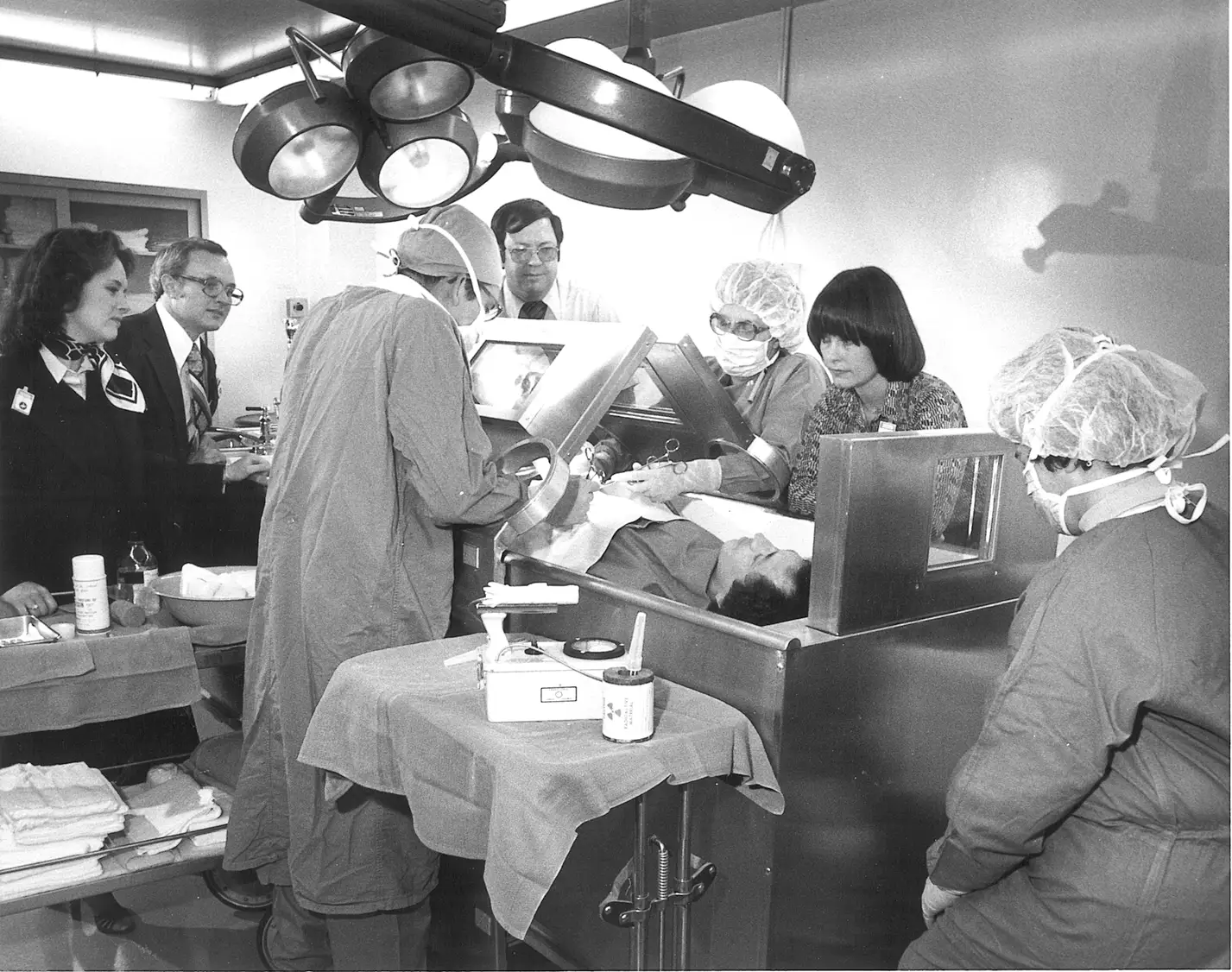
Cancer nurse Ann Sipe was fiercely proud of her work at Oak Ridge’s pioneering Cancer Research Hospital. An ORAU employee from 1966 to 1993, she devoted 27 years to caring for patients and advocating for families facing cancer diagnoses.
When Sipe arrived in Oak Ridge, she joined the Oak Ridge Institute for Nuclear Studies (ORINS) Medical Division, established in 1950. Also known as the Cancer Research Hospital, the facility was created at the request of the Atomic Energy Commission (AEC), predecessor to the U.S. Department of Energy. As scientists searched for peaceful applications of discoveries made during the Manhattan Project, the AEC asked ORINS – renamed ORAU in 1966 – to explore how radioisotopes could be used in cancer treatment.
About the Oak Ridge cancer research hospital
The hospital housed just 30 beds, but its influence reached far beyond Oak Ridge. It was one of only three hospitals in a national program established to study the use of radiation in cancer treatment. Patients arrived through referrals from private physicians and paid nothing for their care.
Admission standards were strict, and many patients came after exhausting other treatment options. Ann Sipe joined the program in 1966 and eventually became the facility’s day-to-day manager, overseeing patient care while helping families navigate difficult and uncertain circumstances.
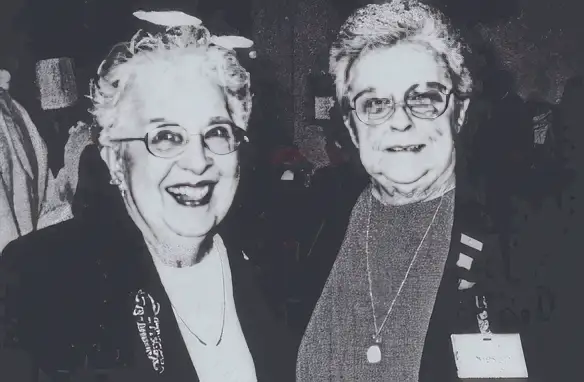
Ann Sipe (right) pictured with co-worker Evelyn Watson.
In her own words
Although Sipe has since died, her passion for the Oak Ridge Cancer Research Hospital lives on through several recorded interviews. Part of her role involved helping patients understand their treatment options and how radiation therapies worked. Patients were fully informed about potential risks and outcomes and signed consent forms acknowledging they could stop treatment at any time.
Sipe understood the deeply personal nature of cancer care. Her perspective was shaped not only by her work, but also by her own family experiences. She once shared that her husband underwent successful treatment at the hospital following a pancreatic cancer scare, crediting radioisotope therapy for his recovery. In another interview, she reflected on her seriously ill brother and said she would willingly choose an experimental treatment if there were even a chance it could save his life.
“This disease, cancer, is such a personal disease, and all of us took it so personal, trying so hard to help them fight. And I still get very emotional,” Sipe said in an interview.
Her memories paint a vivid portrait of the hospital’s close-knit culture and the relationships formed between staff and patients.
“When patients were allowed to leave the hospital for a few hours and no family members [were] available, a staff member would drive them. I've had pie at Shoney's [with patients], I've had to walk – and I don't like to walk – through arboretums and sometimes just drive around to see Oak Ridge, because some of these patients had retired and moved elsewhere and when cancer invaded them, they wanted to come back to this hospital. The staff baked cakes, made surprise presents and special foods that the patients asked for.”
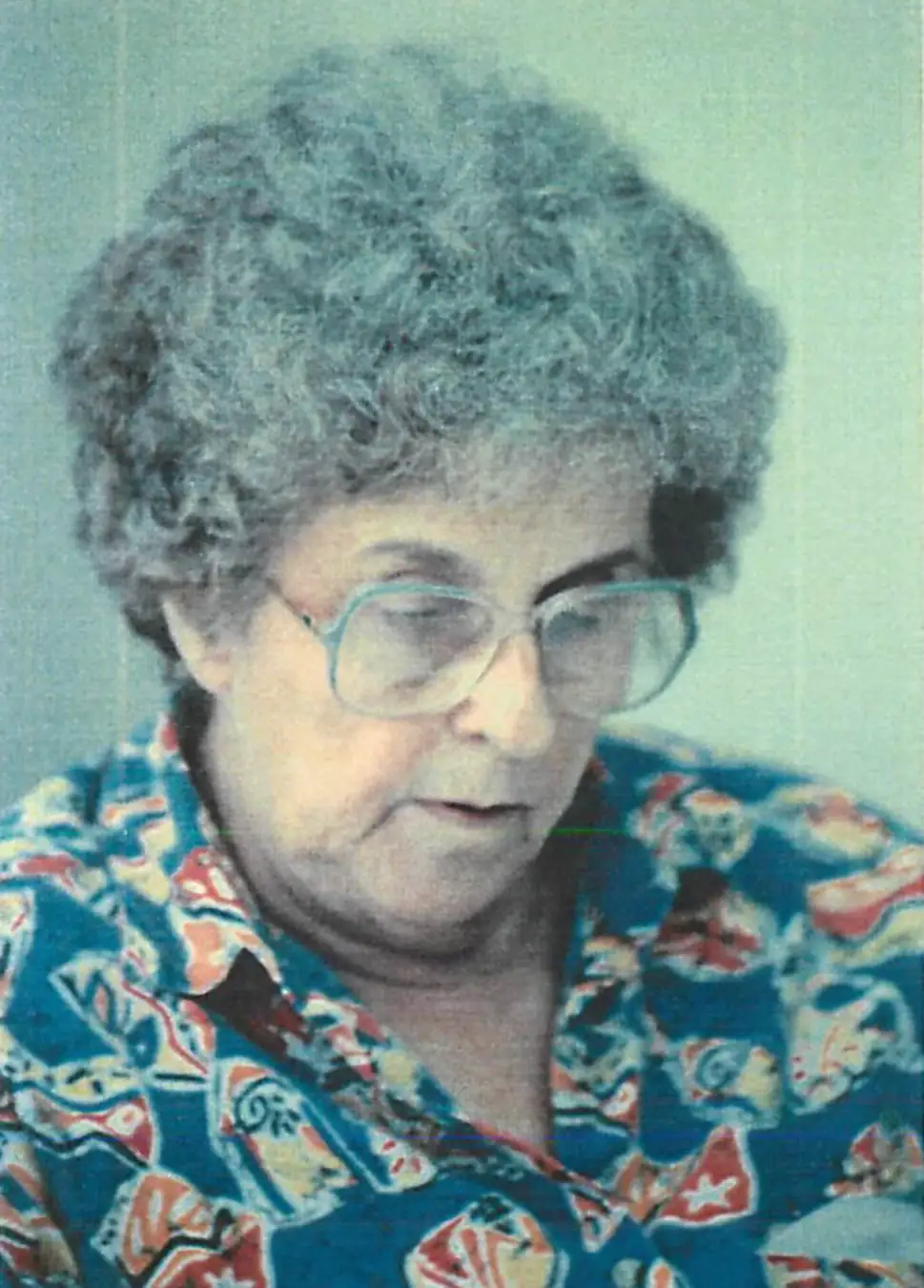
Candid photo of Ann Sipe
Sipe believed deeply in offering comfort and hope, even when the outcomes were uncertain.
“Some young children with a poor prognosis of two to six weeks with their disease [were] given sometimes an extra three to four years,” she said. “Some young teenagers grew to be older, became mothers and fathers, before the disease won out. Some did not. Mothers and fathers lived to see children grown and become parents. Of course, some did not. Some patients died of unrelated diseases after the closing of this facility. Regardless of the time some had left, they were given hope for another day, another month, another year, and many were able to live very productive lives.”
To outsiders, a cancer hospital might have seemed defined by grief and loss. Sipe saw something different.
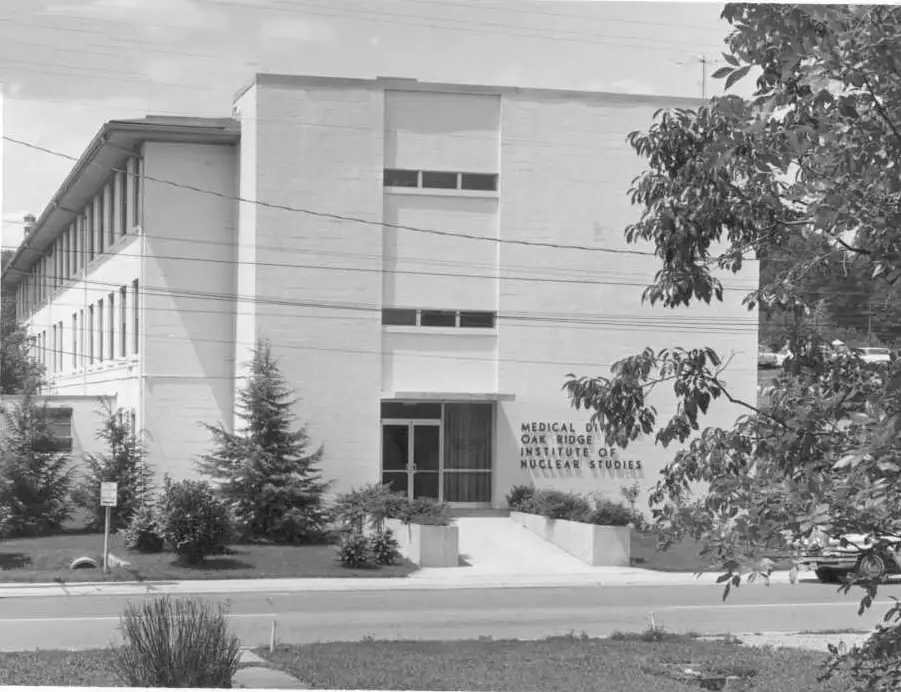
Street view of the ORINS Medical Division
“The security, the care and the interest that was felt by the patients at this hospital made their walk against this devastation so much easier,” she said in 1995. “The hospital was a small oasis in their world of no hope. They were never given false promises but were promised that everything that possibly could be done would.”
Years after the hospital closed, former patients and families still sent Christmas cards, letters and photographs to staff members who had cared for them.
Sipe remained one of the hospital’s strongest advocates long after retirement. She wanted people to understand that the patients who volunteered for experimental treatments helped advance cancer care for future generations. Research conducted at the Oak Ridge facility contributed to broader developments in nuclear medicine and radiation therapy worldwide.
“I was there. I was involved, and I have to tell you these precious people gave to me so much more than I ever gave to them,” Sipe said in the mid-1990s. “They taught me faith, strength, treasuring of life, and about hospice before hospice ever existed for patients. I am so blessed to have been able to walk their path. I still to this day see their faces. I hear their voices. And for those not represented here today, I am their voice.”
Continuing the mission at REAC/TS
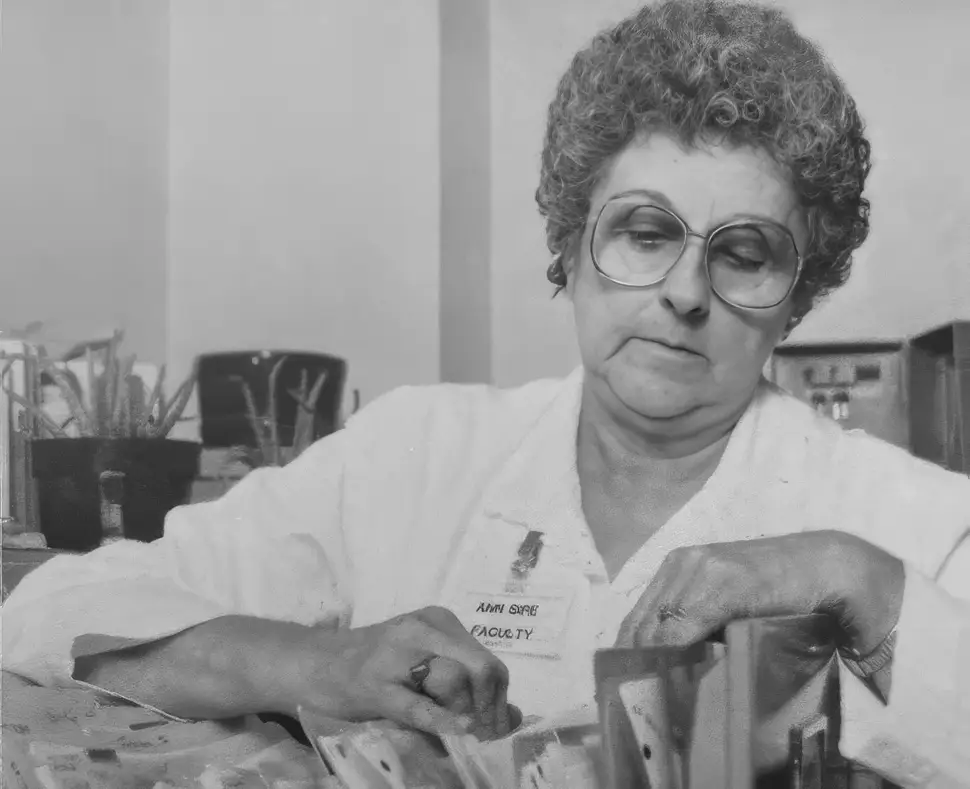
Ann Sipe, nurse with the REAC/TS program and the Center for Epidemiologic Research, also served as a faculty member in REAC/TS training courses.
By the early 1970s, hospitals across the country had established advanced nuclear medicine programs, many informed by research conducted at ORAU’s Medical Division. In many ways, the mission the AEC envisioned for the Oak Ridge Cancer Research Hospital had been fulfilled.
As inflation and federal budget pressures mounted, the government closed the three AEC hospitals in 1974. ORAU continued treating patients on an outpatient basis while expanding into radiation emergency medicine through the establishment of the Radiation Emergency Assistance Center/Training Site (REAC/TS) in 1976.
Sipe transitioned to REAC/TS, where she conducted health studies involving radiation workers and served as custodian of patient charts and microfiche records until retiring in 1993. Read more about the history and mission of REAC/TS here. Yet throughout the rest of her career, she remained devoted to preserving the legacy of the Cancer Research Hospital and the patients who passed through its doors.
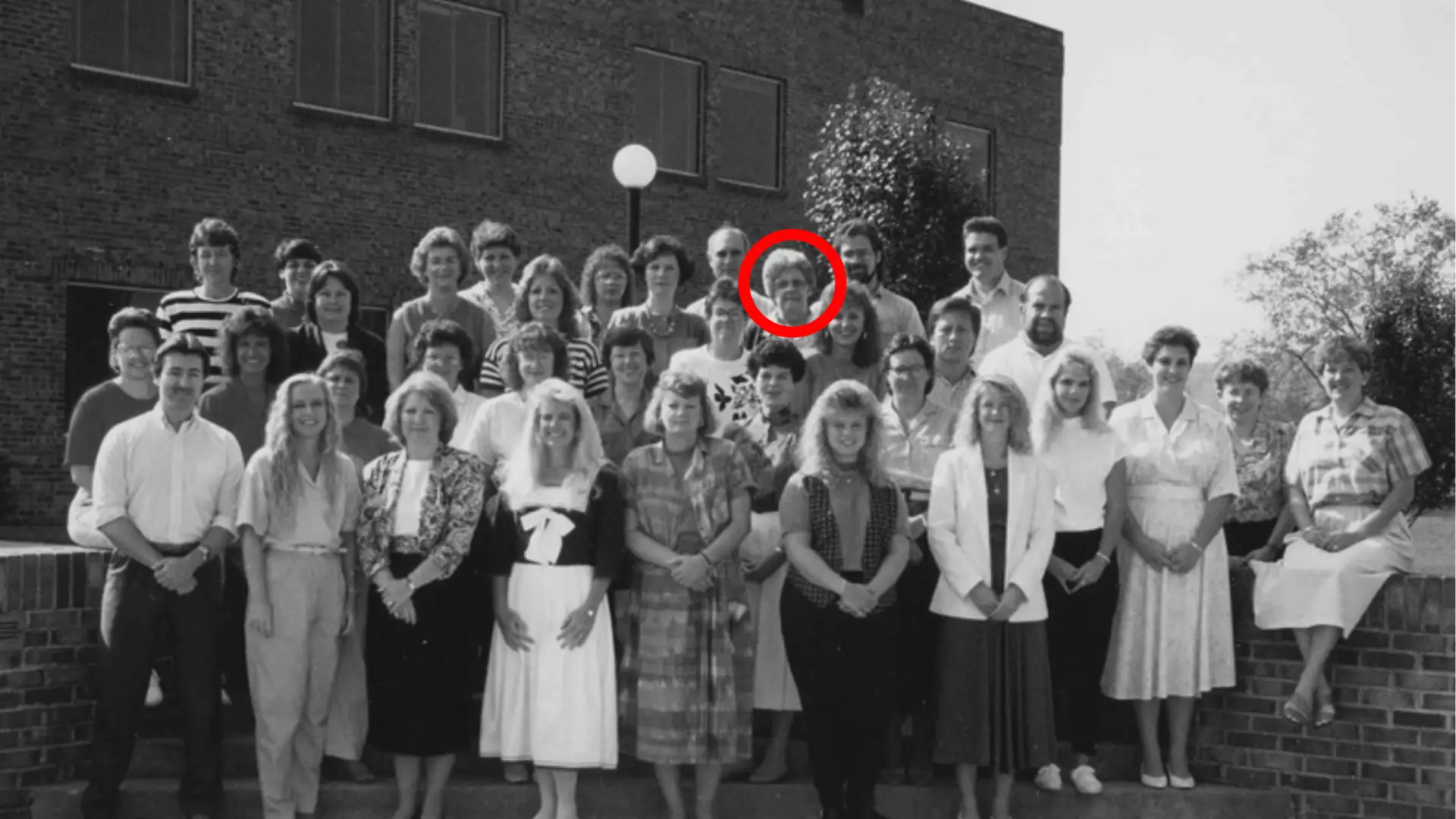
Sipe is pictured with the Epidemiology Department in the 1980s.
Today, the hospital no longer stands, but its impact continues through advances in cancer treatment, radiation medicine and patient care. For Ann Sipe, the legacy was never measured only in scientific breakthroughs. It lived in the people – the patients who searched for hope, the families who entrusted their loved ones to experimental care and the staff who walked beside them every step of the way.
Sources:
From the Beginning