
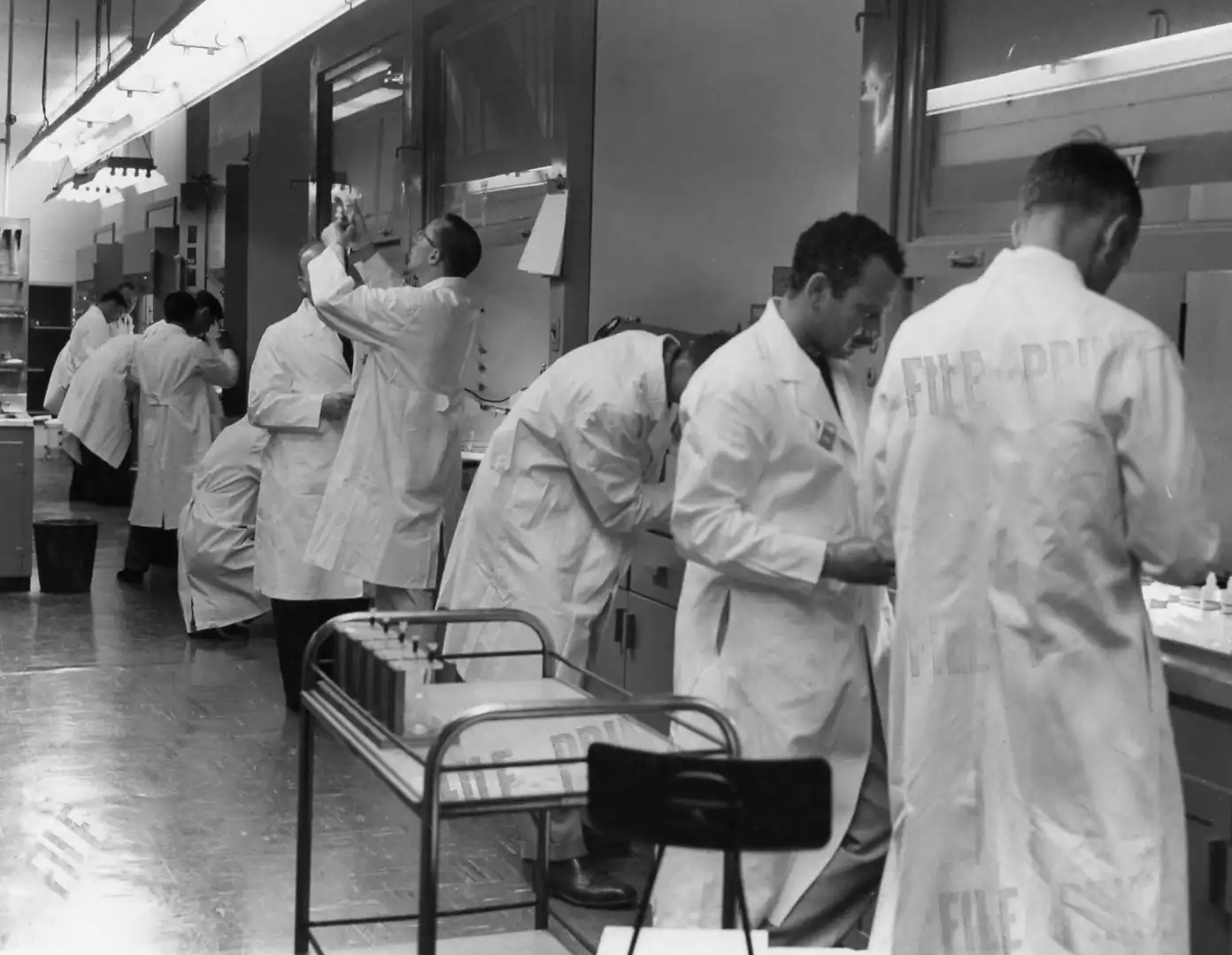
Radiochemistry laboratory at the Special Training Division (ORAU PTP)
When Oak Ridge Associated Universities was founded in 1946, its leaders understood that the emerging field of nuclear science would require more than groundbreaking research. It would also require education, training and public understanding on a scale the nation had never seen before.
That vision became the foundation for ORAU’s Professional Training Programs (PTP), one of the organization’s longest-running and most influential missions.
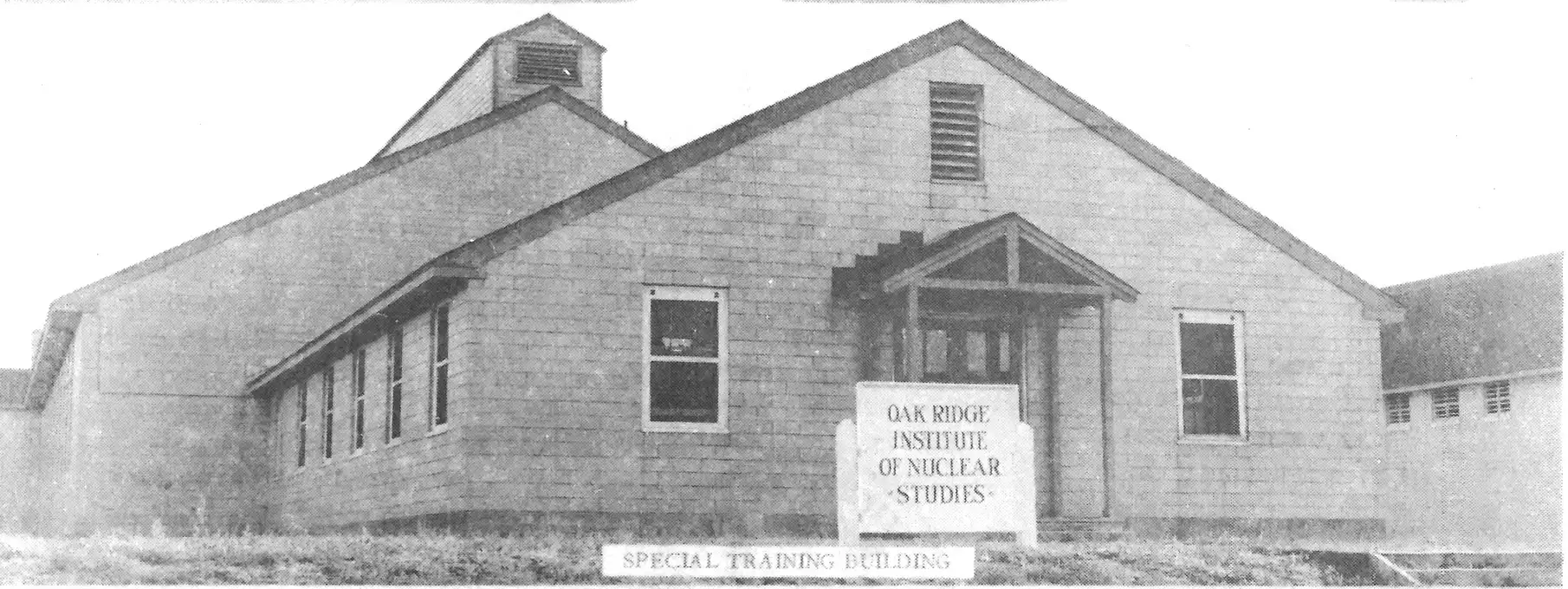
ORINS Special Training Building 1948
In ORAU’s first annual report, leaders described the organization as “concerned with advanced education and highly specialized training for senior scientists,” while also recognizing a broader responsibility to help educate the public about atomic energy and radiation science. The report noted that many viewed these developments as comparable in significance to the invention of the steam engine. (Related reading: From teaching ‘what is nuclear energy?’ to the nuclear renaissance today, nuclear science is in our DNA)
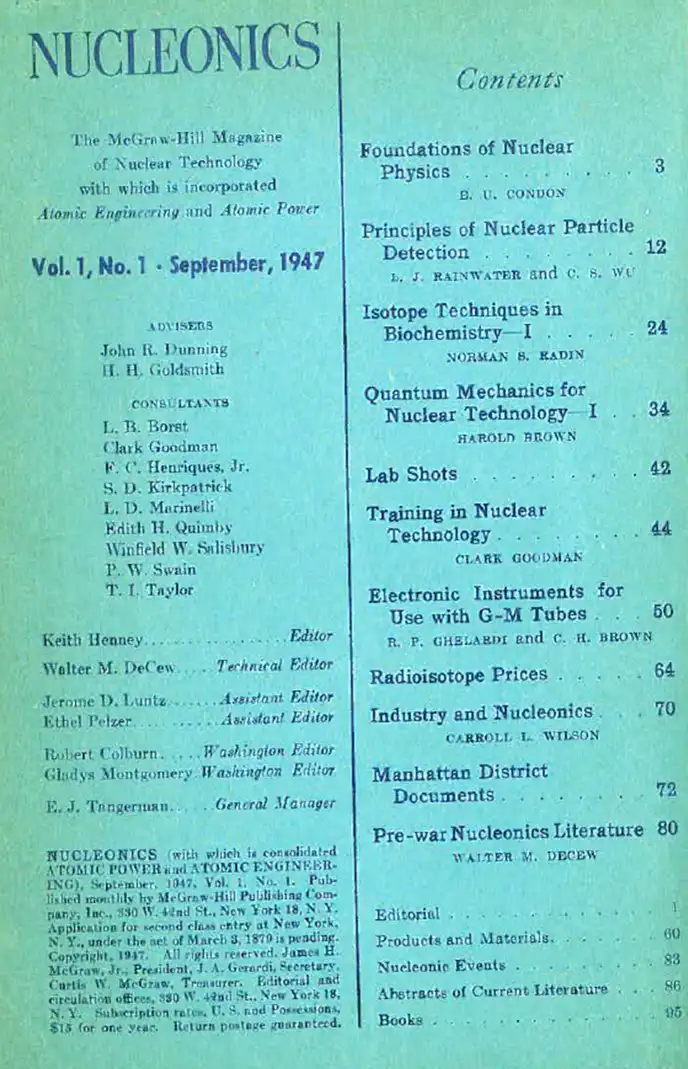
ORINS course advertised in Nucleonics monthly trade magazine
That sense of urgency shaped ORAU’s earliest training efforts.
The first isotope training courses
In the summer of 1948, ORAU—then known as Oak Ridge Institute of Nuclear Studies, or ORINS—offered its first isotope technique courses, which were presented six to eight times each year. ORAU founder Dr. William Pollard recruited Oak Ridge National Laboratory (ORNL) scientist Ralph T. Overman to help develop the courses, and Overman assembled a committee of ORNL scientists to advise the program.
The group recognized an important challenge early on: practicing scientists could not leave their jobs for months at a time. Their solution was innovative for its era: a concentrated lecture-and-laboratory format lasting no more than four weeks. This approach made advanced nuclear training accessible to professionals actively working in medicine, research, engineering and industry.
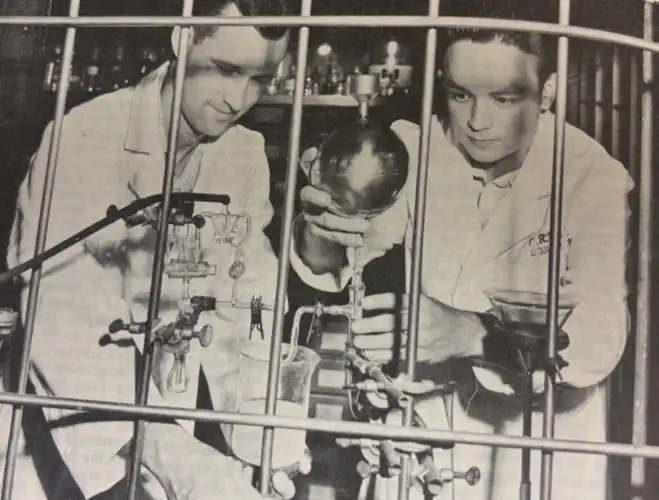
Content from ORAU’s 1952 Annual Report
For as serious as the material was, Pollard and Overman enjoyed developing the training. ORAU’s 1952 annual report documented the thousandth participant in the radioisotope technique course as well as a tongue-in-cheek alma mater song they composed and a template of the graduation certificate in which Pollard is named as the “Executive Dabbler” and Overman the “Chief Dabbler.”
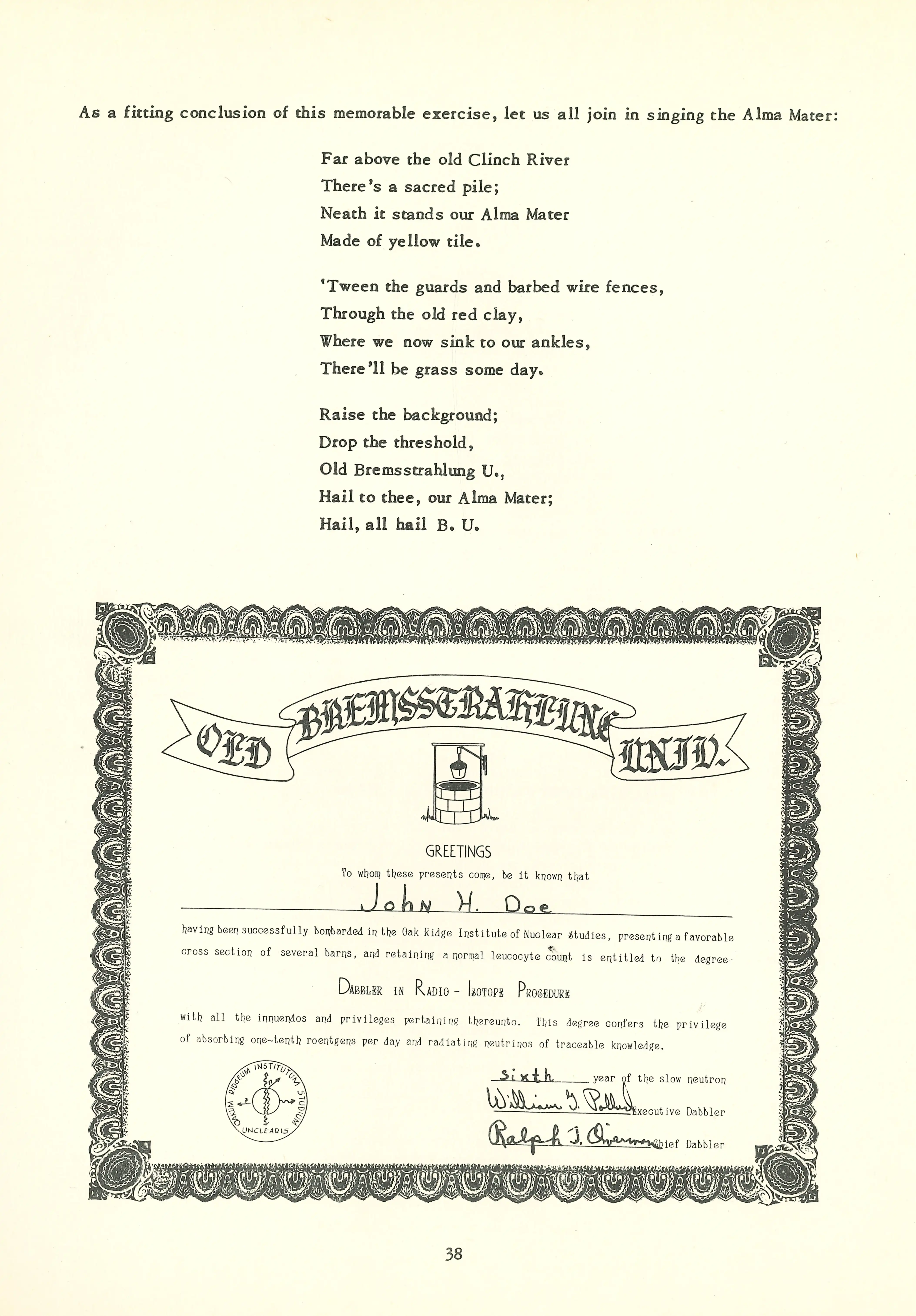
Content from ORAU’s 1952 Annual Report, Old Bremsstrahlung University
They jokingly referred to the course as the “Olde Bremsstrahlung U,” a German reference to the term used to describe the radiation produced when a charged particle, such as an electron, is rapidly decelerated or deflected by the electric field of an atomic nucleus or another charged particle. It’s a fundamental concept in radiation physics and is important in applications such as radiation shielding design.
Taking nuclear science training on the road
Overman later became chairman of ORAU’s Special Training Division, which continued local courses and expanded the organization’s reach far beyond Oak Ridge.
Former director of PTP Roger Cloutier later reflected on the division’s broad impact:
“There was a division called a Special Training Division that trained people from all over the United States and all over the world,” Cloutier said. “They quickly instituted a mobile laboratory program that sent people all over the United States to visit colleges and put on programs.”
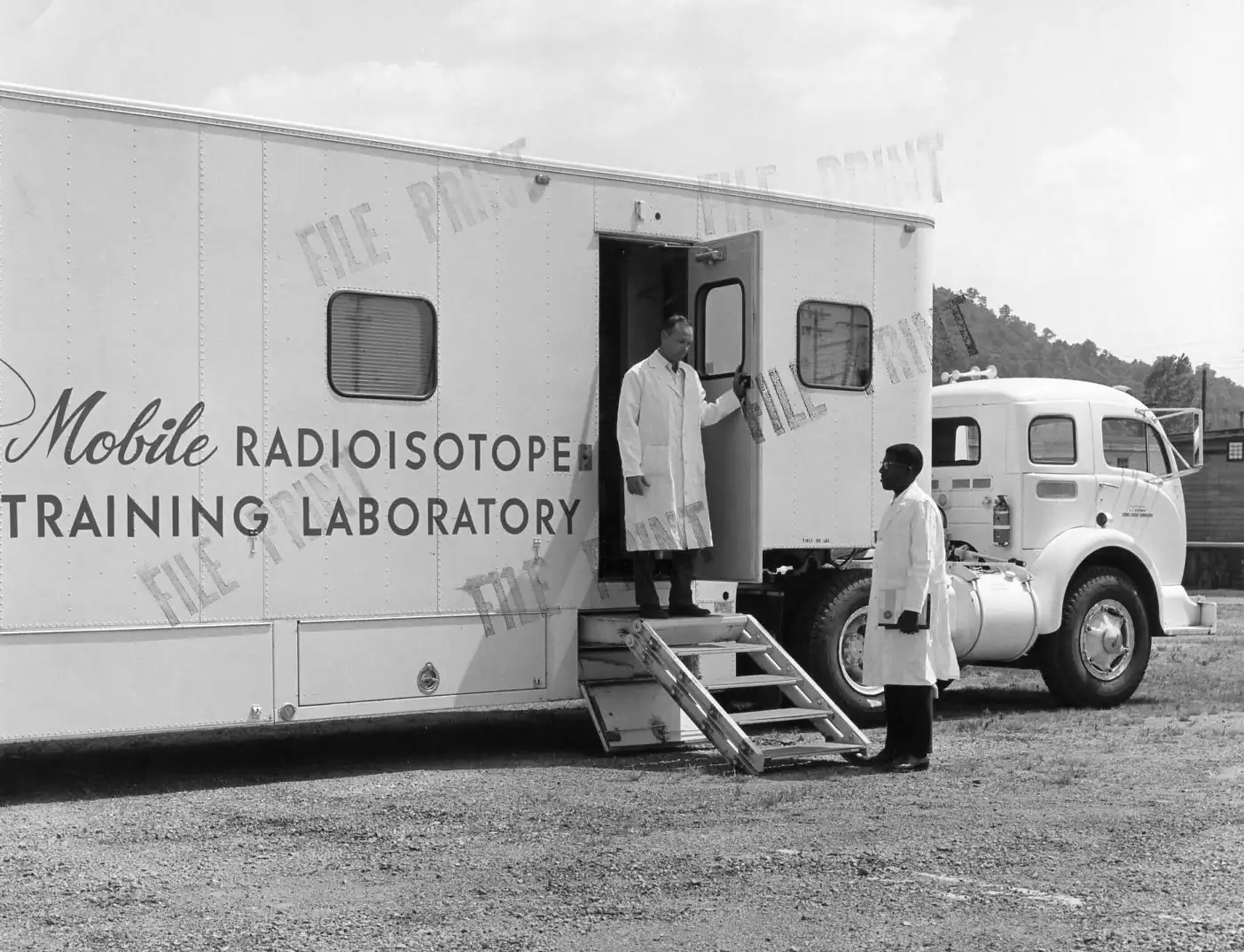
ORAU’s Mobile Training Laboratory traveled throughout the country educating the public about radioisotopes.
The training programs soon became international in scope. Through the “Atoms in Action” program, ORAU educators traveled throughout Central and South America to teach the safe use of radioactive materials.
“It was similar to the training programs done in the States,” Cloutier recalled, “but much shorter so it was more intense.”
Establishing standards for health physics and radiation safety
As nuclear science evolved, ORAU helped establish the professional standards that would guide the field for decades. Working closely with Oak Ridge National Laboratory and noted physicist Elda Anderson, ORAU helped create the first health physics fellowship program at Vanderbilt University. The Atomic Energy Commission (AEC) later described the effort as one of its most significant educational activities because it helped establish the safety standards and professional protocols for an entire generation of nuclear scientists.
Over time, ORAU became a critical bridge between the federal government, academia and industry. By accepting the original radioisotope training mandate from the AEC and later the Department of Energy, ORAU cultivated a training pipeline that shaped the safe use of nuclear technology across medicine, energy, research and national security.
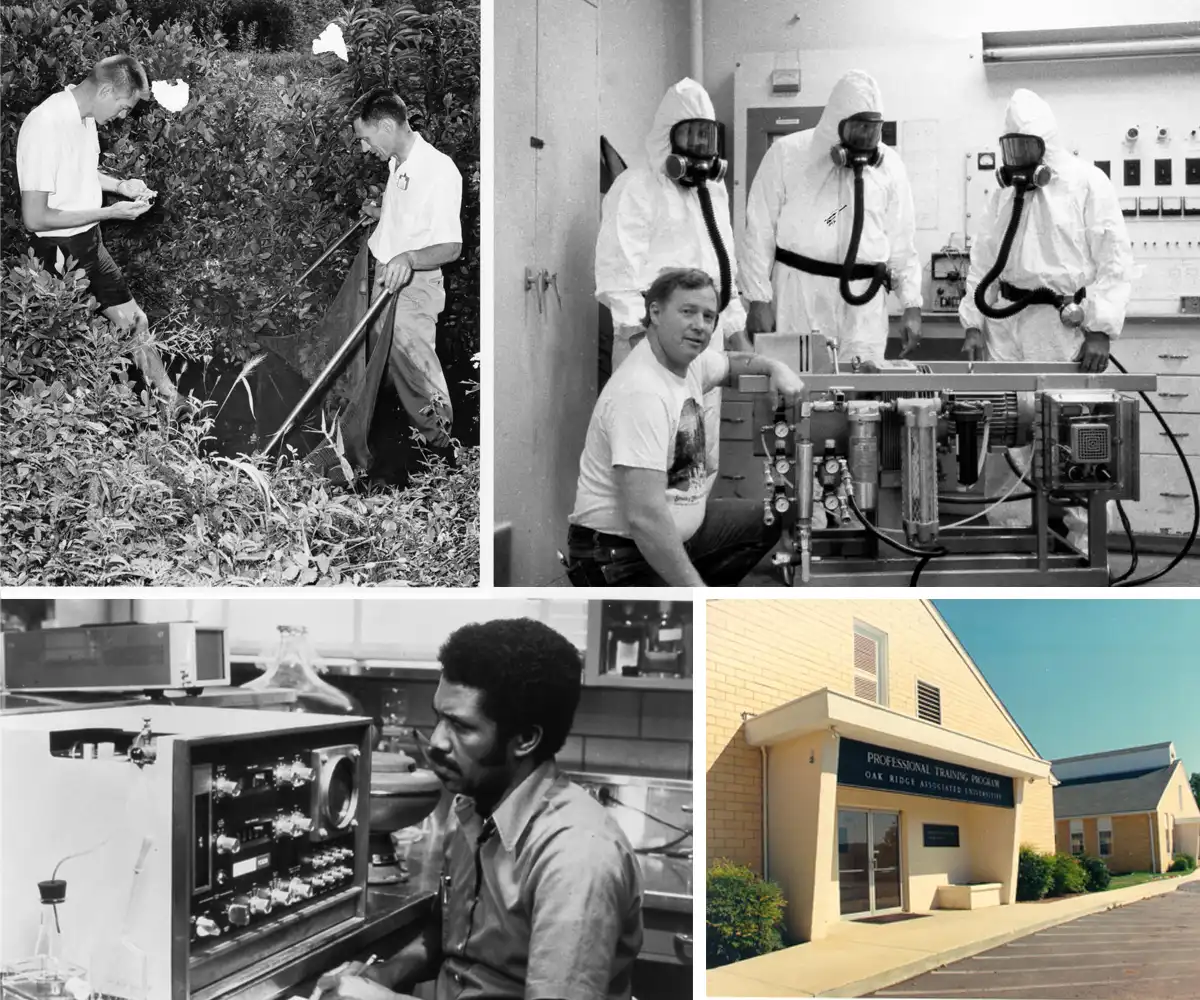
Images from ORAU PTP courses over the years
Preserving the history of radiation science
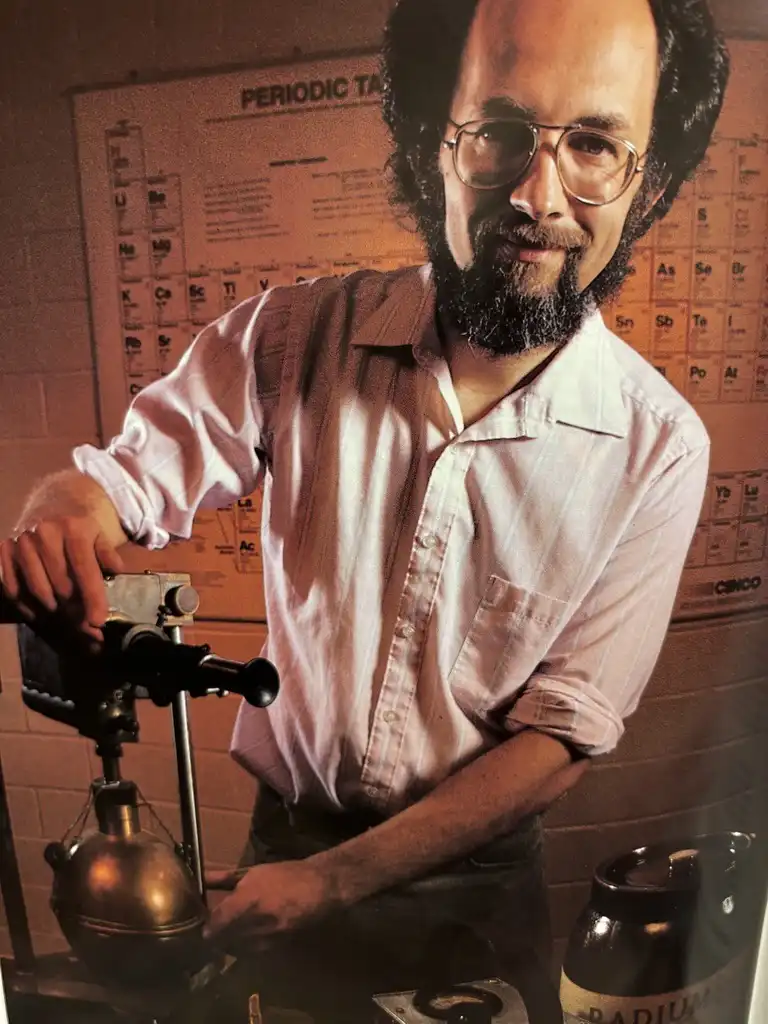
ORAU retired health physicist, Paul Frame, Ph.D., curated ORAU’s Museum of Radiation and Radioactivity.
ORAU’s influence on radiation safety and nuclear science education extends beyond professional instruction. The organization has also played an important role in preserving the history and material culture of the nuclear age.
Among the educators who shaped that effort is retired certified health physicist Paul Frame, Ph.D., who joined PTP in 1981. Drawing on experience as a professor, biologist and visiting scientist at Brookhaven National Laboratory in Long Island, N.Y., Frame brought both deep expertise and intellectual curiosity to ORAU.
One of Frame’s most enduring contributions is the collection of historical radiological artifacts he initially assembled for students, which later became ORAU’s Museum of Radiation and Radioactivity. The collection spans the history of nuclear science and includes radiation detection instruments, civil defense materials, popular culture novelties and artifacts recovered from major nuclear events including the atomic bombing of Hiroshima.
Recognized by the Health Physics Society as its official repository, the museum is considered one of the most comprehensive collections of its kind. The collection is available online at orau.org/museum, and visitors can also tour the museum through monthly Manhattan Project National Historic Park Ranger Talks or add the experience to the Department of Energy Public Facilities Bus Tour. Larger group tours can be arranged by emailing communications@orau.org.
Professional Training Programs today
Since 1948, ORAU’s Professional Training Programs have trained more than 30,000 scientists, physicians, engineers, regulators, educators and technical professionals.
Today, PTP continues to offer instructor-led courses in applied health physics, air sampling for radioactive materials, environmental monitoring, gamma spectroscopy and other specialized areas. Participants include military personnel, state regulators, researchers and industry professionals, many of whom return for additional training throughout their careers.
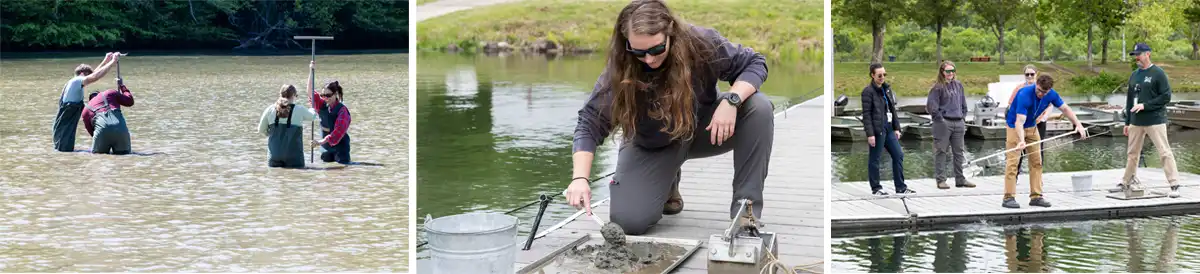
ORAU Environmental Monitoring participants apply the skills they’ve learned in class.
Among the most recognized offerings is the five-week Applied Health Physics course, which remains a benchmark for hands-on radiation safety training. The program reflects the same practical, immersive philosophy that guided ORAU’s earliest isotope schools nearly eight decades ago.
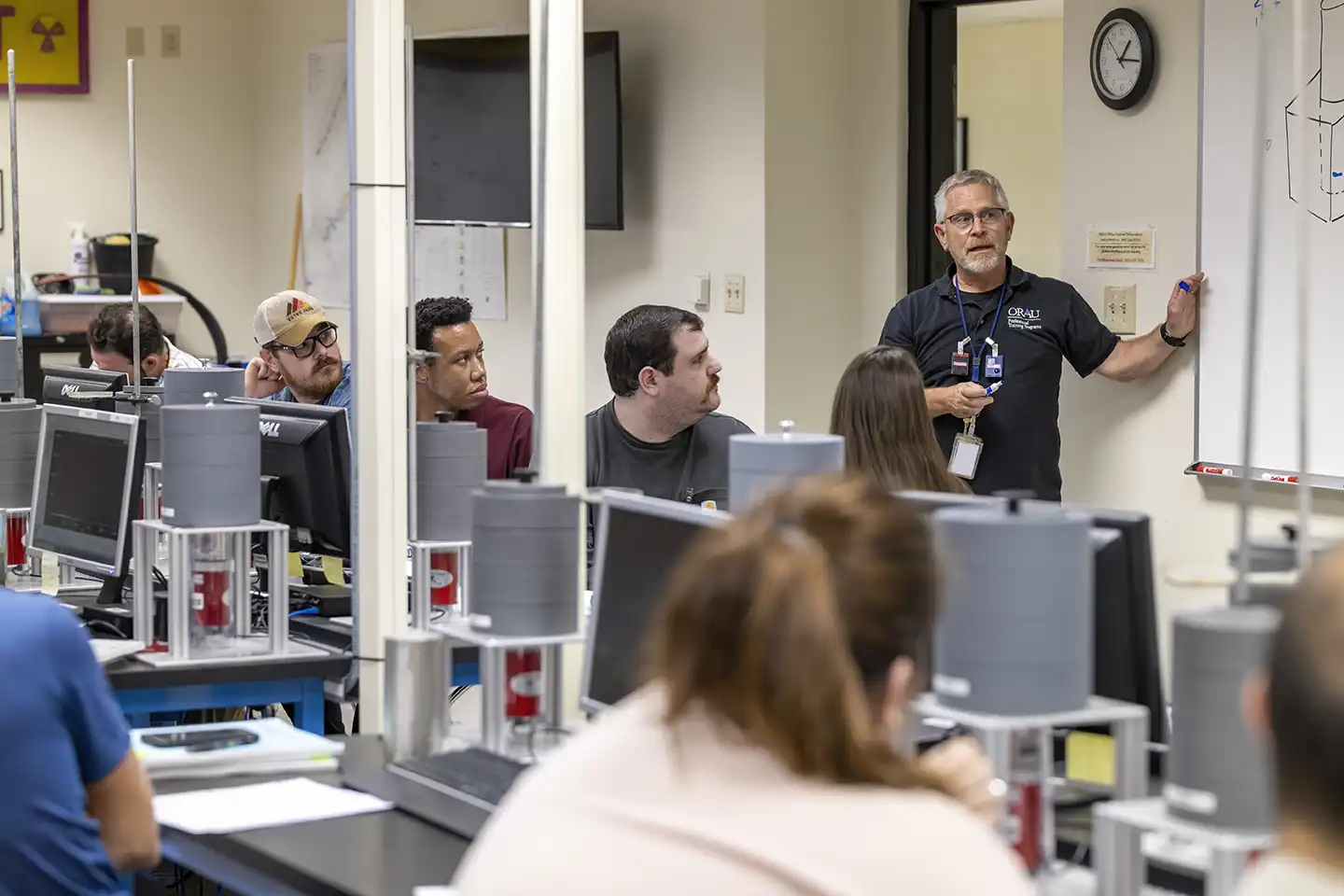
ORAU Applied Health Physics course
Courses such as Air Sampling for Radioactive Materials and Environmental Monitoring demonstrate how ORAU continues adapting its expertise to modern workforce and safety needs while maintaining the technical rigor that defined the program from the beginning.
For nearly 80 years, ORAU has evolved from a regional training institute into a national and international resource supporting science education, workforce development and public health. Yet the mission behind PTP remains remarkably consistent: equipping professionals with the knowledge and practical experience needed to safely advance science and technology.
What began in 1948 as a small isotope training school became one of ORAU’s most abiding contributions to the scientific community.
Learn more about PTP classroom training.
Learn more about PTP online training.
Sources:
ORAU Annual Report, 1948-1949