
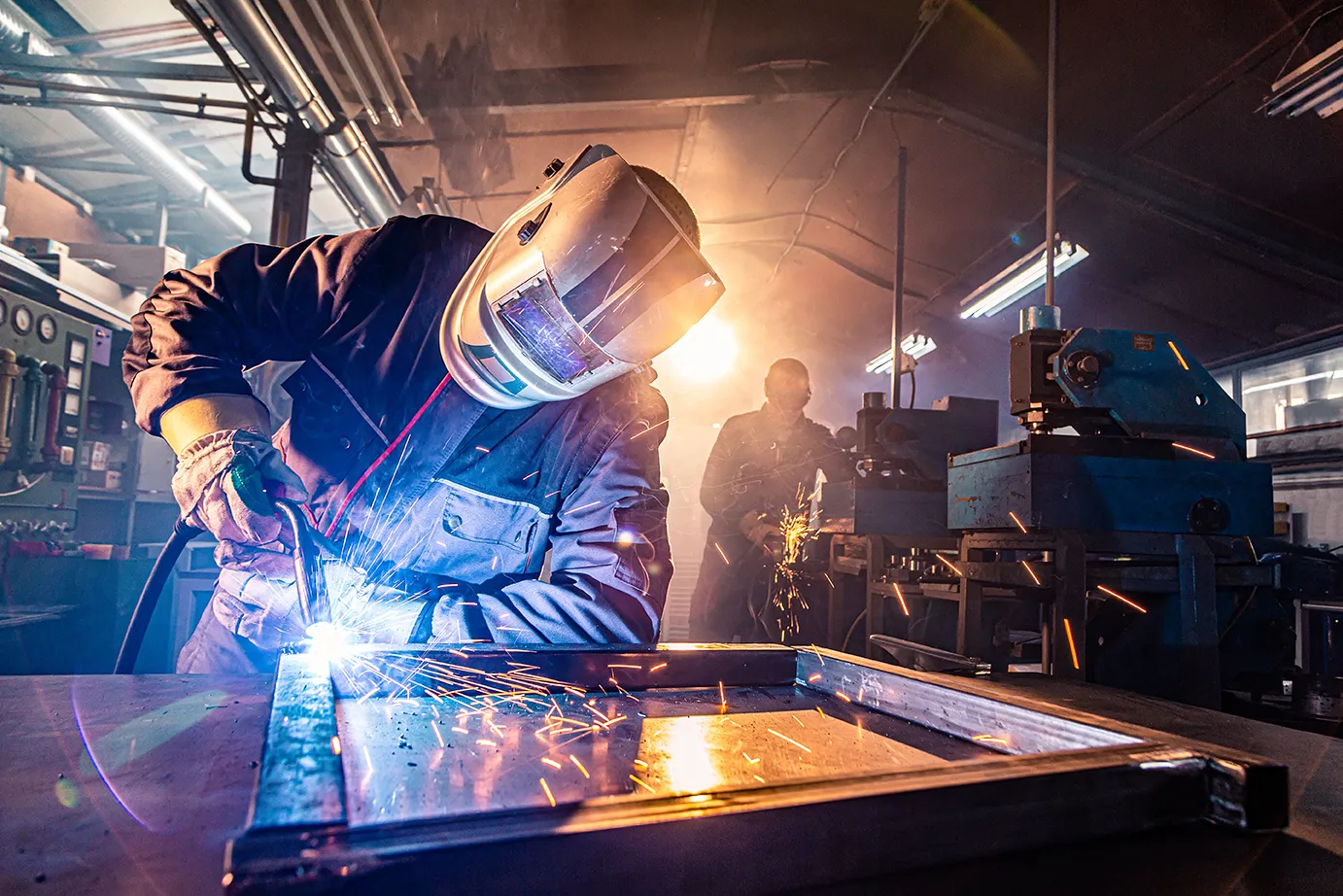
Over the past few decades, discussions about maintaining the United States' competitive edge globally have primarily centered around the importance of STEM careers. While STEM-focused and other professional careers continue to be vital to the future of our nation, there has been a growing recognition and renewed focus on the critical role of skilled trades and technical workers in enabling innovation and supporting essential industries for supporting our country as well. What does this shift mean for the workforce and the economy? In today’s blog, we’ll answer that question by exploring the increasing demand for these roles and their significant impact on the nation’s success.
In recent memory, the prevailing mindset has been rooted in the belief that a college degree was the ultimate pathway to success. This perspective was fueled by societal norms, economic trends and cultural narratives that correlated higher education with upward mobility and professional respect. While the "college-first" mentality has been dominant and remains a highly valuable career path, recent shifts in the economy and workforce needs have sparked renewed interest in alternative career paths as well.
According to Forbes and NPR, the growing demand for technical and craft workers, coupled with rising concerns over student loan debt and underemployment among college graduates, has led to a broader conversation about the value of skilled trades and non-traditional career routes. These changes highlight the importance of recognizing and promoting diverse pathways to success, ensuring that men and women can consider a wide range of careers that align with their skills and aspirations.
To better understand the increased attention on this segment of the workforce, I spoke with ORAU recruiter Lori Couts who recruits for a National Nuclear Security Administration site, filling both technical and professional, non-technical positions. “Craft and technical workers make up the group that delivers a final product, which the customer can see and touch. They manufacture it and assemble it,” Couts explained.
These technical workers may or may not have degrees. They are mechanics, assemblers, machinists, electricians, logistics operators and many others who rely on specialized skills and training rather than formal academic instruction to do their jobs. “We’ve always needed these workers, and we always will,” Couts said. “As a society, we’ve learned a lot about what essential roles are over the past five years. People who keep the lights on are essential. And technical workers will continue to be a vital part of the companies they work for. These employees are necessary for an organization to function as a well-oiled machine.”
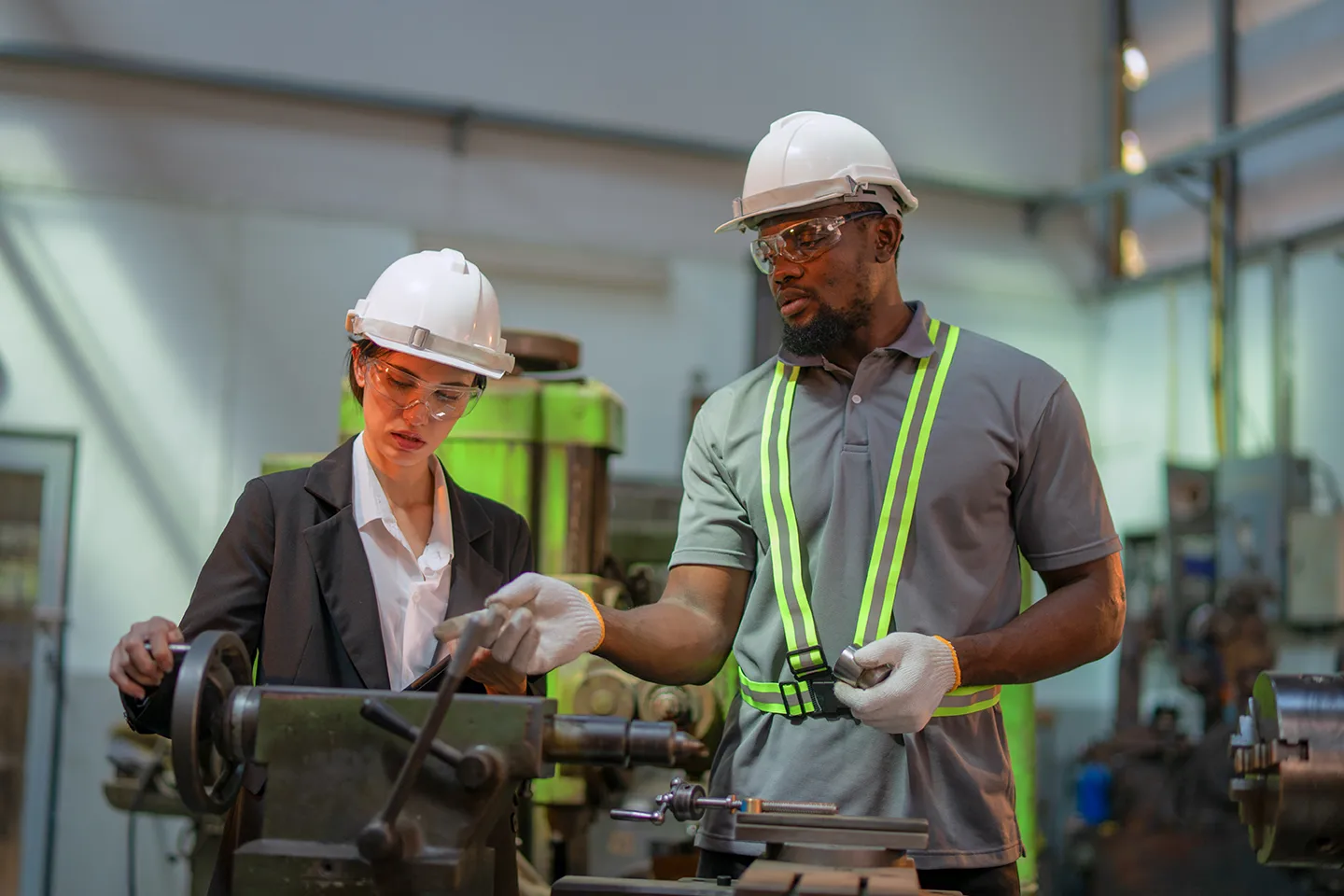
Workers on the factory floor emphasize the importance of human involvement and critical thinking in skilled labor roles alongside emerging technologies and AI.
While emerging technologies and artificial intelligence (AI) have automated some positions, the human element remains indispensable for many jobs “on the factory floor.” Beyond acumen, critical thinking skills and technical knowledge are necessary to operate machines, inspect parts and handle final products.
“Consider what’s to come for nuclear energy,” Couts said. “Or look at the oil and gas industry and the high demand for pipeline workers and employees in manufacturing. These individuals may not have degrees, but they have well-respected jobs and extremely successful careers and are earning great money,” she added.
Those in technical jobs and skilled trades can attest to the rewards. “If you’re hired with a good company, the benefits aren’t going to be much different for someone in human resources, accounting or engineering compared to an individual hired for their trade skills. You’re starting out with great pay, the customary annual increases, benefits and insurance. And for tech workers, you likely don’t have the college debt that typically accompanies a degree,” Couts noted.
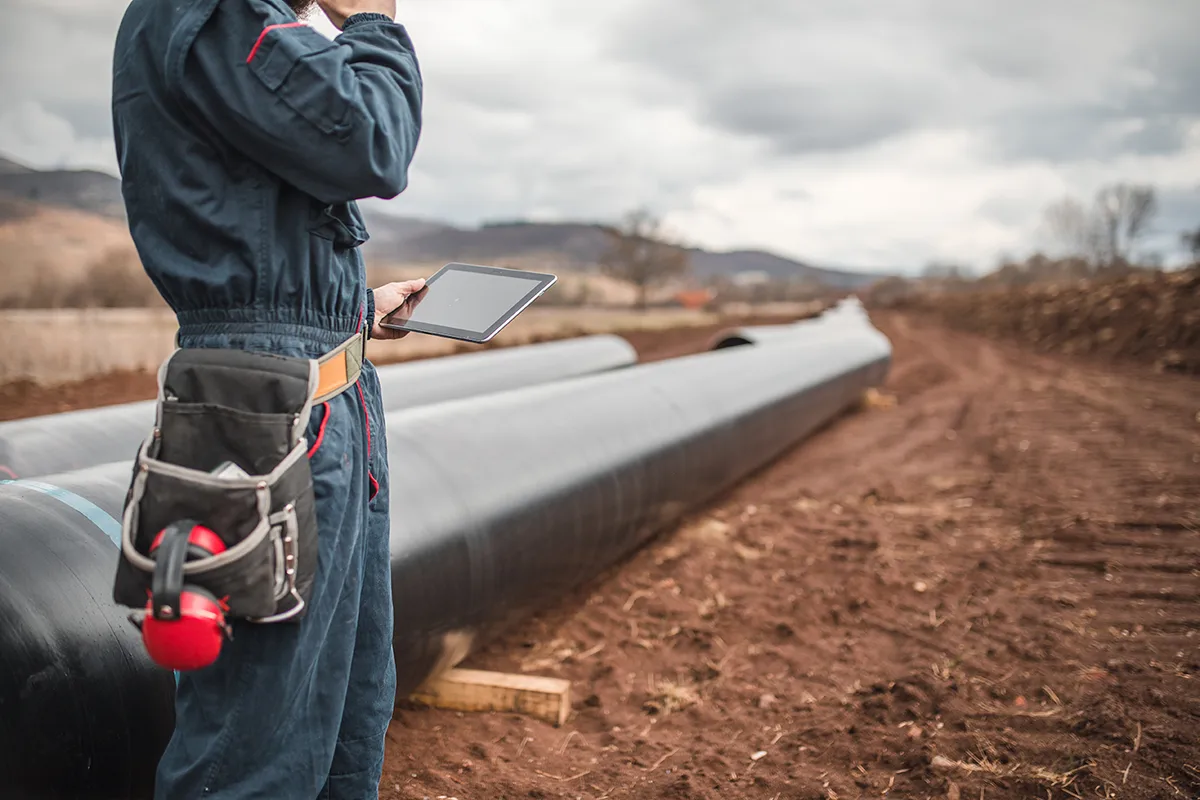
Skilled trades are essential across all communities, with high demand for roles like machinists, quality inspectors, mechanics and maintenance workers—hands-on careers that require technical aptitude and mechanical comprehension.
Like medical professionals, teachers and scientists, skilled tradespeople will always be essential. Couts advises that the right candidates for these roles possess a high mechanical comprehension and technical aptitude. As for “hot jobs,” she points to professions in the machine trades, such as quality inspectors, machinists, mechanics, assemblers, maintenance workers, and supply chain employees. “Hands-on work is always in demand, and the need for craft workers is universal, whether you live in a big city or a rural area,” she said.
ORAU recruits for a wide variety of positions. Get in touch with the ORAU Workforce Solutions team to see what we have to offer.
Right now, ORAU is also offering a $30,000 welding equipment prize to support welding teachers in Alabama with the aim of inspiring more students to pursue welding careers, as the U.S. Maritime Industrial Base transforms its nuclear-powered submarine fleet to maintain its critical undersea advantage. Check out the eligibility requirements for our Extreme Trades competition.
The shift in more skills-based hiring represents a significant opportunity for people pursuing alternative education pathways, while also emphasizing the importance of lifelong learning, technical training and hands-on experience in today’s evolving job market. This transition not only benefits the men and women who choose this route, but it is also foundational to the nation’s economy, strengthening its ability to thrive in a rapidly changing world.
As industries continue to evolve, the recognition of skilled and technical workers as essential contributors to innovation, infrastructure and productivity will remain vital. By embracing diverse career pathways, the U.S. workforce and economy can achieve greater resilience and adaptability for the future.