
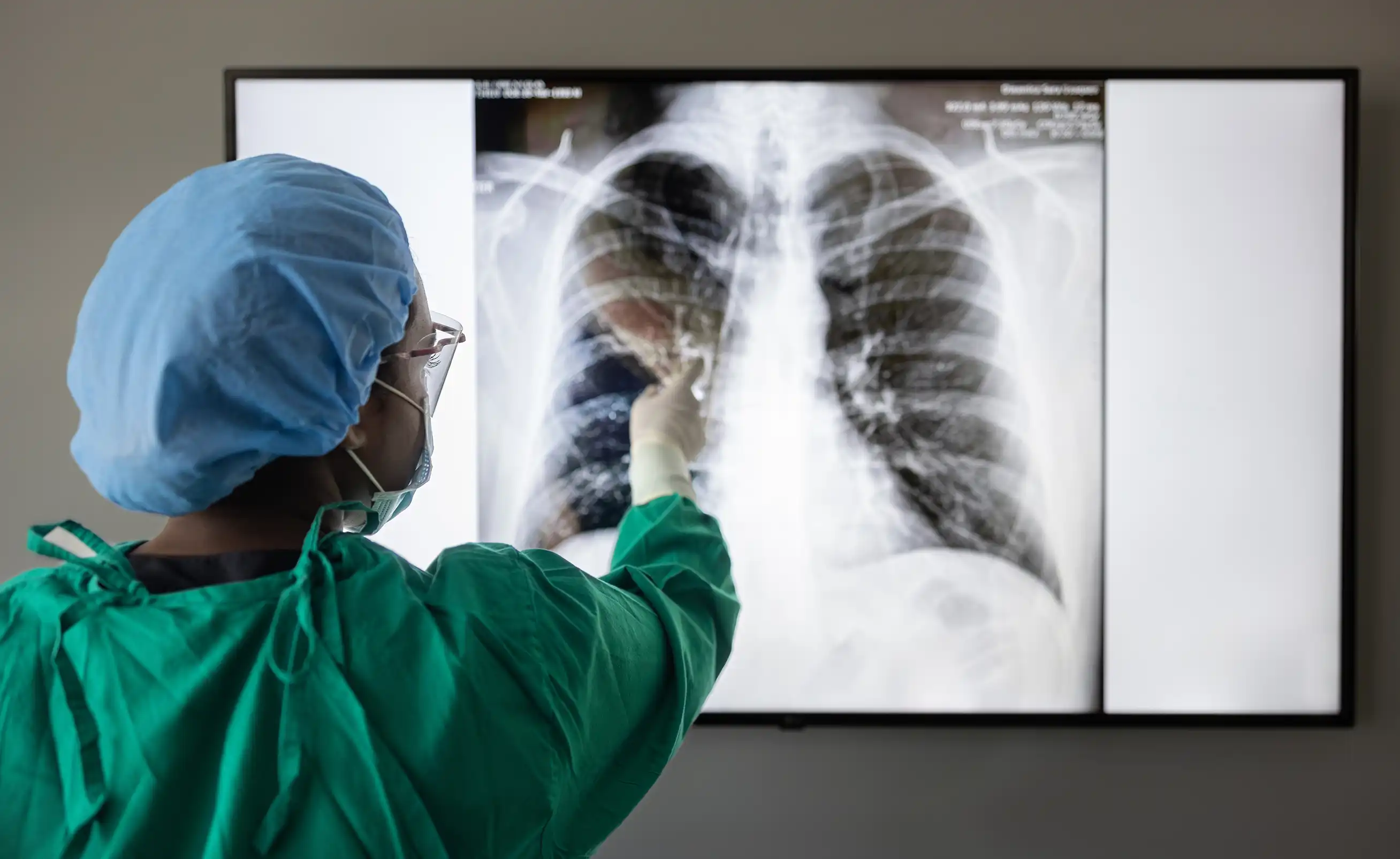
The National Supplemental Screening Program (NSSP) offers medical screenings to Department of Energy (DOE) former workers who may have been exposed to toxic substances during their employment at DOE sites. Managed by ORAU since its inception in 2005, the NSSP helps former workers understand their health and identify potential occupational illnesses. Through collaboration with trusted partners and a dedicated team, ORAU has ensured the success of this program for nearly two decades.
What is the NSSP?
The NSSP is part of the DOE Former Worker Medical Screening Program, which was established following a congressional directive in 1993. Its purpose is to offer medical screenings to individuals who worked at DOE sites. Former workers include eligible DOE federal employees, contractors and subcontractors. These screenings help participants identify health conditions that may be linked to workplace exposures to toxic substances such as beryllium, asbestos, radiation and other hazards.
The program has enrolled more than 25,000 former workers from more than 80 DOE sites across the country. Former workers are eligible for an initial screening and can return for re-screening every three years, allowing the program to watch for changes in participants’ health over time.
What happens during a screening?
The NSSP offers comprehensive medical exams tailored to each participant's work history and potential exposures. These exams may include:
- Physical exam
- Hearing test
- Spirometry (lung function tests)
- Chest X-ray with specialized readings
- Beryllium lymphocyte proliferation test (for workers exposed to beryllium)
- Diagnostic lab tests, including blood work and urinalysis
The results are reviewed by a medical team, who provide participants with detailed reports and recommendations for follow-up care. Urgent findings are shared promptly to ensure timely medical attention. Many participants have expressed gratitude for the program, with some sharing stories of how NSSP screenings identified health conditions early and even saved lives.
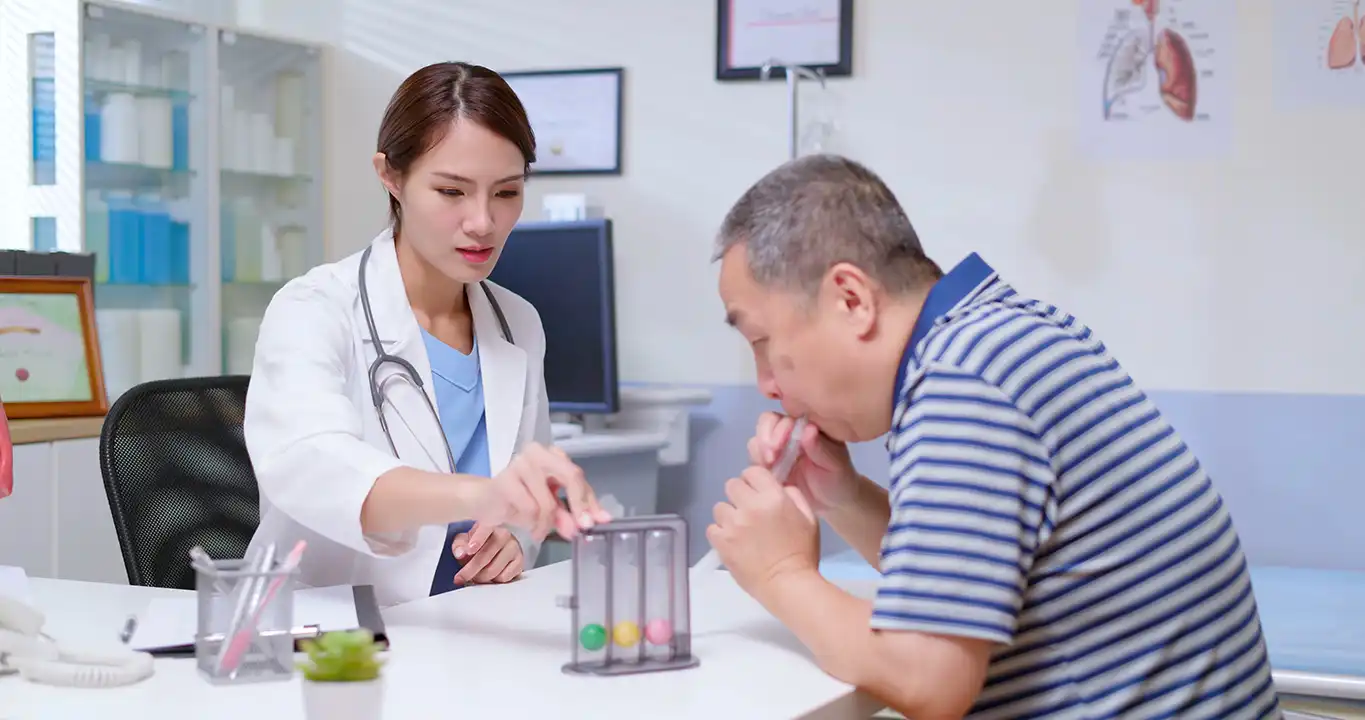
NSSP aims to identify health conditions that could be associated with occupational exposures, such as radiation, chemicals or other hazardous materials.
ORAU’s role in the NSSP
ORAU has managed the NSSP since its inception. The program is supported by a dedicated team of professionals who handle everything from participant enrollment and outreach to operations and medical reviews. ORAU’s expertise in occupational health, beryllium research, and program management has been instrumental in the program’s success.
Key aspects of ORAU’s involvement include:
- Nationwide Reach: ORAU ensures that screenings are accessible to participants across the U.S., regardless of where they live. This eliminates the need for workers to travel back to the site where they were employed, greatly improving accessibility.
- Partnerships: ORAU collaborates with organizations such as Acuity, National Jewish Health and the University of Colorado to deliver screenings and provide specialized expertise. These partnerships allow the program to leverage the strengths of each organization.
- Participant-Centered Approach: The NSSP team works closely with participants, providing personalized support and ensuring their health information remains confidential. The team’s dedication to the program’s mission is evident in their commitment to helping workers navigate their health journey.
Listen to ORAU’s Wendy Benade, NSSP operations manager, and Heather O’Maonaigh, NSSP outreach manager, discuss the program in Further Together, the ORAU podcast, Episode 192, For the health of former energy workers: A deep dive into the National Supplemental Screening Program
ORAU coordinates the evaluation of DOE former workers through the National Supplemental Screening Program. Through the NSSP, the U.S. Department of Energy offers free customized medical screenings to their former workers who may have been exposed to hazardous substances on the job site. On this episode of Further Together, host Michael Holtz and Wendy Benade, operations manager, and Heather O’Maonaigh, outreach manager, take a deep dive into the program, from outreach to enrollment and so much more. ORAU manages the program along with great partners, including National Jewish Health, Acuity International, Cority Software, and the Center for Health, Work & Environment at the Colorado School of Public Health.
The impact of the NSSP
The NSSP not only benefits individual workers but also contributes to broader occupational health research. By analyzing aggregated, de-identified data, researchers can identify trends and inform decisions about worker protections at DOE sites. The program also raises awareness about the Energy Employees Occupational Illness Compensation Program and provides individuals with recommendations for follow-up with the U.S. Department of Labor’s Division of Energy Employees Occupational Illness Compensation (DEEOIC) if appropriate based on exam results.
How to enroll

The program is part of DOE’s commitment to ensuring the health and safety of its workforce, even after their employment has ended.
DOE former workers interested in enrolling in the NSSP can contact the program directly. The enrollment process involves completing a health history intake form and discussing potential exposures with an enroller. This information helps determine eligibility and tailor the medical exam to the participant’s needs.
For more information, visit the DOE Former Worker Program website or contact the NSSP team directly: https://orau.org/nssp/ or 1-866-812-6703.
The National Supplemental Screening Program exemplifies ORAU’s commitment to advancing worker health and safety. Through collaboration, innovation, and a participant-focused approach, the NSSP has made a meaningful difference in the lives of thousands of former DOE workers. As the program continues to evolve, ORAU remains dedicated to supporting its mission and ensuring that workers receive the care and attention they deserve.